Learn the difference between EV fast charging and normal charging. Compare charging speed, battery health, cost, advantages, disadvantages, and which option is best for Indian EV owners.
EV Cars Fast Charging vs Normal Charging
Introduction
Electric vehicles (EVs) are becoming increasingly popular in India due to rising fuel prices, lower running costs, and government incentives. However, one of the most common questions among EV buyers is whether they should use fast charging or normal charging.
Charging is the lifeline of any electric vehicle. The way you charge your EV directly affects convenience, battery life, charging expenses, and overall ownership experience.
Many EV owners love fast charging because it can charge a battery in a short time, while others prefer normal charging to maintain long-term battery health. But which option is actually better?
In this detailed guide, we will compare EV fast charging vs normal charging, explain their differences, advantages, disadvantages, costs, and help you decide which charging method suits your needs.
Quick Comparison Table
| Feature | Fast Charging | Normal Charging |
|---|---|---|
| Charging Speed | Very Fast | Slow |
| Charger Type | DC Charger | AC Charger |
| Charging Time | 20 minutes to 2 hours | 4 to 12 hours |
| Installation Cost | High | Low |
| Battery Stress | Higher | Lower |
| Home Use | Rare | Common |
| Public Availability | Increasing | Limited outside homes |
| Electricity Cost | Usually Higher | Usually Lower |
| Best For | Long Trips | Daily Charging |
| Battery Longevity | Slightly Lower if Overused | Better for Long-Term Health |
Understanding EV Charging
Before comparing both methods, it is important to understand how EV charging works.
An EV battery stores electricity in direct current (DC) form. However, household electricity is supplied as alternating current (AC).
Normal chargers provide AC power, which must be converted into DC by the vehicle’s onboard charger.
Fast chargers directly supply DC power to the battery, reducing charging time significantly.
This fundamental difference explains why charging speeds vary so much.
What Is Normal Charging in EVs?
Normal charging, also known as AC charging or slow charging, is the most common charging method used by EV owners.
It typically uses a home charging setup connected to a wall box charger.
Most electric cars in India are charged overnight using AC chargers.
How Normal Charging Works
- Electricity comes from the AC power supply.
- The EV’s onboard charger converts AC into DC.
- The battery stores the energy.
Since the onboard charger has limited capacity, charging takes longer.
Typical Normal Charging Speeds
| Charger Power | Approximate Charging Time |
|---|---|
| 3.3 kW | 8–12 Hours |
| 7.2 kW | 5–8 Hours |
| 11 kW | 4–6 Hours |
| 22 kW | 2–4 Hours |
Actual charging times depend on battery size and vehicle model.
Key Features of Normal Charging
- Home-friendly charging solution
- Lower installation cost
- Better battery health
- Suitable for overnight charging
- Widely available in residential areas
- Lower electricity expenses
What Is Fast Charging in EVs?
Fast charging uses high-powered DC chargers that deliver electricity directly to the battery.
These chargers bypass the vehicle’s onboard charger and provide significantly higher charging speeds.
Fast charging stations are commonly found on highways, commercial locations, and public charging networks.
How Fast Charging Works
- Electricity is converted to DC within the charging station.
- High-power DC energy is supplied directly to the battery.
- Charging speed increases dramatically.
This process allows EVs to gain hundreds of kilometers of range in a short period.
Typical Fast Charging Speeds
| Charger Power | Charging Time |
|---|---|
| 25 kW | 1–2 Hours |
| 50 kW | 45–90 Minutes |
| 100 kW | 30–60 Minutes |
| 150 kW | 20–40 Minutes |
| 350 kW | Less Than 20 Minutes (supported vehicles only) |
Key Features of Fast Charging
- Extremely quick charging
- Ideal for long-distance travel
- Available at public charging stations
- Supports rapid range addition
- Reduces travel downtime
- Higher power output
EV Fast Charging vs Normal Charging: Detailed Comparison
1. Charging Speed
This is the biggest difference.
A normal charger may take 6 to 10 hours to fully charge an EV.
A DC fast charger can charge many EVs from 20% to 80% in less than an hour.
Winner: Fast Charging
For convenience and time savings, fast charging clearly wins.
2. Battery Health
Battery health is a major concern for EV owners.
Fast charging generates more heat because of the high amount of energy being transferred rapidly.
Excessive heat is one of the factors that can accelerate battery degradation over time.
Normal charging generates less heat and is generally considered healthier for long-term battery life.
Winner: Normal Charging
For preserving battery health, normal charging is the better option.
3. Charging Cost
Home charging usually costs less because residential electricity tariffs are lower.
Public fast chargers often charge premium rates due to infrastructure and operational costs.
For example:
- Home charging may cost ₹6–10 per unit.
- Fast charging stations may charge ₹12–25 per unit depending on location.
Winner: Normal Charging
Lower charging expenses make AC charging more economical.
4. Convenience
If you have a dedicated parking space and home charger, normal charging is extremely convenient.
However, for people traveling long distances, fast charging is much more practical.
Winner: Tie
The best option depends on usage patterns.
5. Long-Distance Travel
Highway journeys would be difficult without fast charging.
Modern charging corridors across India are making EV road trips easier.
Fast chargers allow drivers to recharge quickly and continue their journey.
Winner: Fast Charging
Essential for intercity travel.
6. Installation Cost
Installing a standard home charger is relatively affordable.
DC fast chargers require expensive equipment, higher power connections, and commercial infrastructure.
Winner: Normal Charging
Much cheaper to install and maintain.
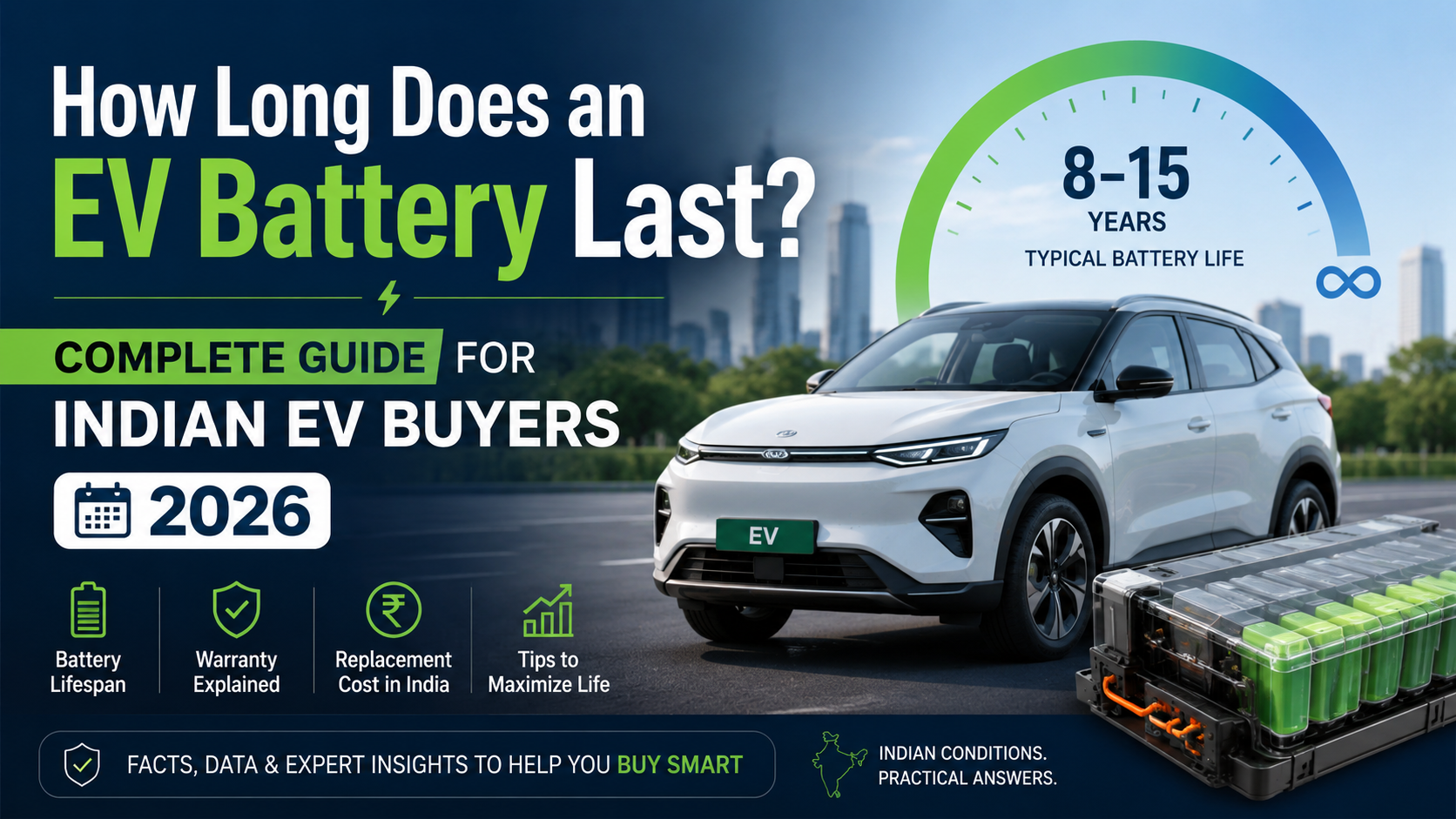
Impact of Fast Charging on EV Battery Life
One of the biggest myths is that occasional fast charging will immediately damage the battery.
Modern EVs include advanced battery management systems that control temperature and charging rates.
However, using fast charging exclusively for years may result in slightly faster battery degradation compared to regular AC charging.
Most manufacturers recommend:
- Daily charging using AC chargers.
- Fast charging only when necessary.
This balanced approach maximizes battery lifespan.
Fast Charging Advantages
Pros
Saves Time
The biggest advantage is significantly reduced charging time.
Better for Travel
Perfect for road trips and highway driving.
Emergency Charging
Useful when battery levels are critically low.
Expanding Infrastructure
India’s charging network is growing rapidly.
More Convenient for Commercial Users
Taxi operators and fleet owners benefit greatly from faster turnaround times.
Cons
Higher Cost
Public charging rates are usually more expensive.
Potential Battery Stress
Frequent use may increase battery wear over time.
Limited Availability
Still not as widespread as fuel stations.
Waiting Queues
Popular stations can become crowded.
Normal Charging Advantages
Pros
Battery-Friendly
Lower heat generation supports battery longevity.
Cost Effective
Electricity costs are generally lower.
Ideal for Daily Use
Charge overnight and start the day with a full battery.
Home Convenience
No need to visit public charging stations regularly.
Cons
Slow Charging
Not suitable when immediate charging is required.
Limited for Long Trips
Can be inconvenient during travel.
Requires Dedicated Parking
Apartment residents may face charging challenges.
EV Charging Costs in India
The exact cost depends on electricity tariffs and charging station pricing.
Example: 40 kWh Battery
Home Charging
- Electricity Rate: ₹8 per unit
- Total Cost: ₹320
Fast Charging Station
- Charging Rate: ₹18 per unit
- Total Cost: ₹720
The difference becomes significant over thousands of kilometers.
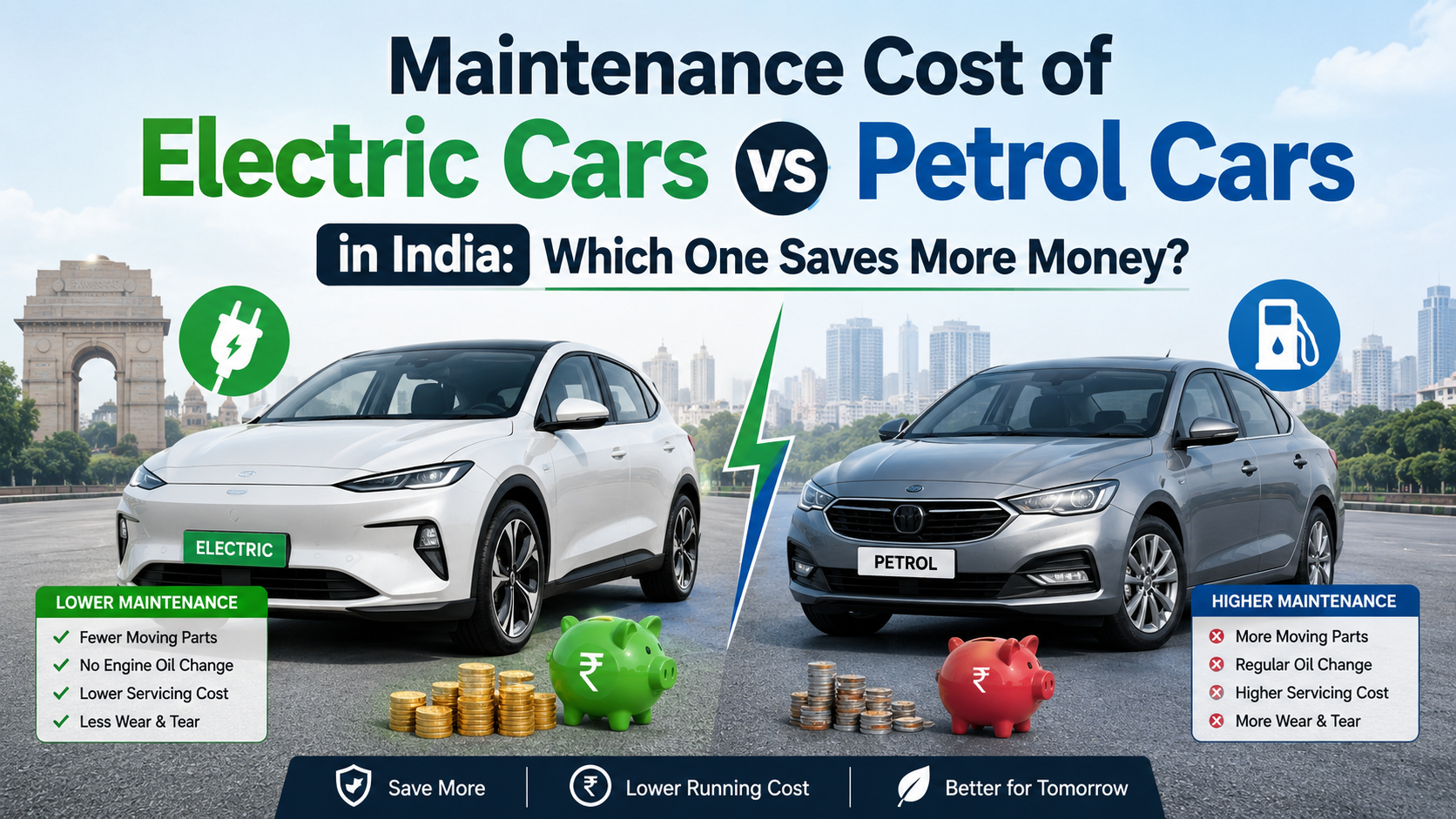
This is why most experienced EV owners prefer home charging whenever possible.
Comparison with Petrol and Diesel Refueling
| Factor | EV Fast Charging | EV Normal Charging | Petrol/Diesel |
|---|---|---|---|
| Time | 20–60 Minutes | Several Hours | 5 Minutes |
| Cost Per Km | Low | Lowest | Highest |
| Maintenance | Low | Low | High |
| Emissions | Zero Tailpipe | Zero Tailpipe | High |
| Home Refueling | No | Yes | No |
While petrol vehicles remain quicker to refuel, EV charging costs are considerably lower.
Who Should Use Fast Charging?
Fast charging is ideal for:
- Highway travelers
- Fleet operators
- Ride-sharing drivers
- Business users
- People without enough charging time
If your daily schedule is busy and you frequently travel long distances, fast charging offers unmatched convenience.
Who Should Use Normal Charging?
Normal charging is ideal for:
- Homeowners with parking
- Daily commuters
- City drivers
- Budget-conscious users
- EV owners focused on battery longevity
For most Indian EV owners, AC charging should remain the primary charging method.
Expert Recommendation
As an automotive journalist, my recommendation is simple:
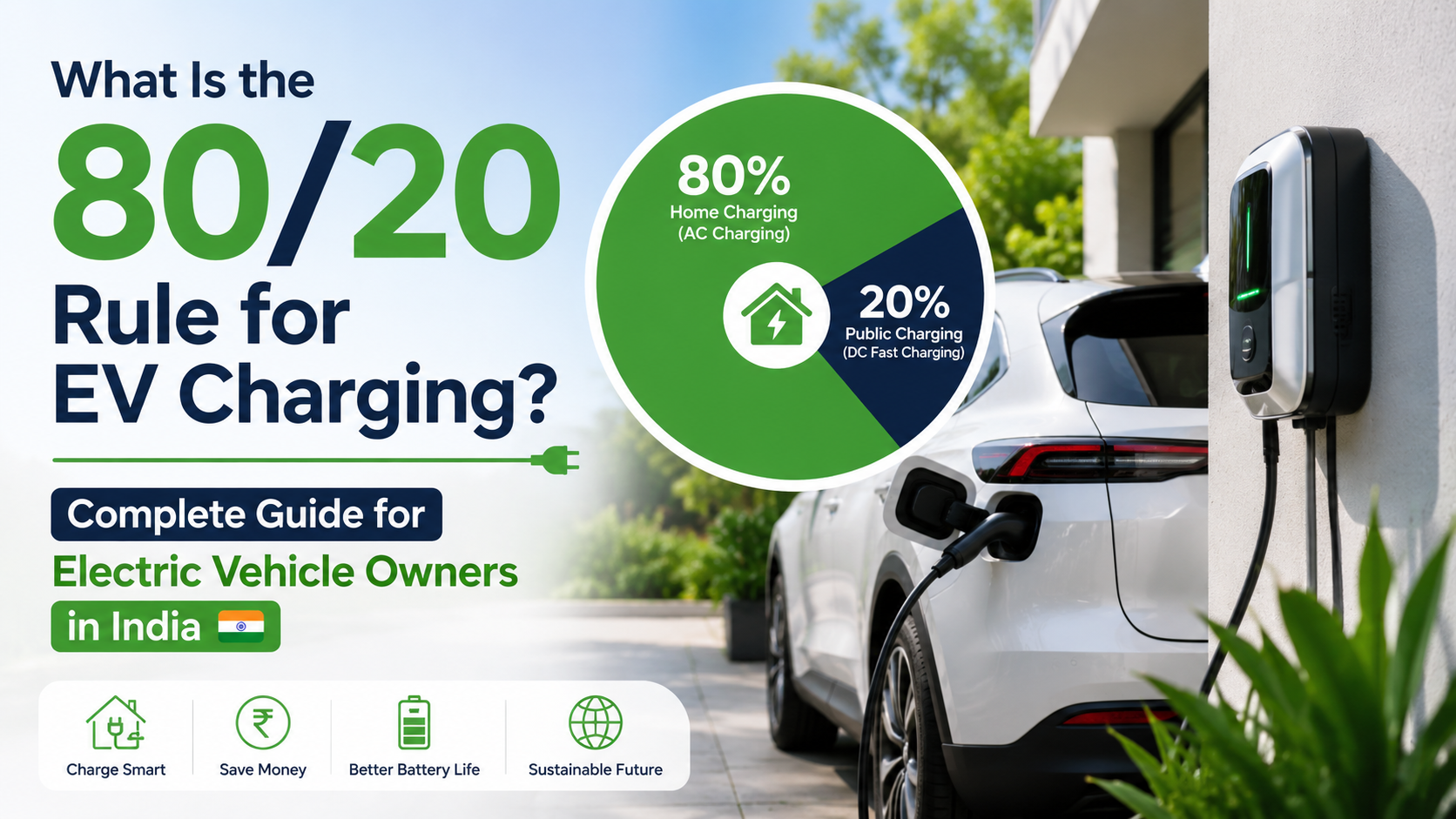
Use normal charging for 80–90% of your charging needs and rely on fast charging only when necessary.
This strategy provides:
- Lower charging costs
- Better battery life
- Greater efficiency
- Reduced long-term ownership expenses
Think of fast charging as a convenience tool rather than your primary charging method.
Frequently Asked Questions (FAQs)
1. Is fast charging bad for EV batteries?
Occasional fast charging is not harmful. However, using fast charging exclusively for years may slightly increase battery degradation compared to regular AC charging.
2. How long does fast charging take?
Most modern EVs can charge from 20% to 80% in approximately 30 to 60 minutes using a DC fast charger.
3. Can I fast charge my EV every day?
Yes, but it is generally recommended to use normal charging for daily needs and reserve fast charging for travel or emergencies.
4. Which charging method is cheaper?
Normal charging is usually cheaper because residential electricity rates are lower than public fast-charging rates.
5. Is home charging enough for most EV owners?
Yes. Most Indian EV users drive less than 50 km daily, making overnight home charging more than sufficient.
6. Does fast charging reduce battery warranty?
No. Manufacturers design modern EV batteries to support fast charging. Following manufacturer guidelines ensures warranty protection.
7. What is the ideal charging percentage for battery life?
Most experts recommend keeping the battery between 20% and 80% for everyday use to maximize long-term battery health.
Conclusion
The debate between EV fast charging vs normal charging is not about choosing one over the other. Instead, it is about using each charging method for the right purpose.
Fast charging offers unmatched convenience, making it essential for long-distance travel, commercial usage, and emergency situations. However, it is generally more expensive and can place additional thermal stress on the battery when used excessively.
Normal charging remains the best choice for daily use because it is cheaper, more battery-friendly, and perfectly suited for overnight charging at home. For most Indian EV owners, AC charging should be the primary charging method, while DC fast charging should be used as a backup whenever quick charging is required.
The smartest EV ownership strategy is a balanced approach: charge normally at home whenever possible and use fast charging only when convenience matters. This helps reduce charging costs, improve battery longevity, and deliver the best overall electric vehicle ownership experience.