Introduction
Electric vehicles (EVs) are becoming increasingly popular in India. Rising fuel prices, government incentives, and growing charging infrastructure have encouraged many buyers to consider electric cars. However, one question remains at the top of almost every buyer’s mind:
How long does an EV battery last?
Since the battery is the most expensive component of an electric vehicle, understanding its lifespan is essential before making a purchase decision. Many people worry that EV batteries may wear out quickly or require costly replacements after a few years.
The good news is that modern EV batteries are designed to last much longer than most people think. In fact, many electric vehicle batteries can easily last well beyond the warranty period while retaining most of their original capacity.
This guide explains everything Indian buyers need to know about EV battery lifespan, degradation, replacement costs, maintenance tips, and real-world performance.
EV Battery Lifespan at a Glance
| Factor | Typical Value |
|---|---|
| Average EV Battery Life | 8–15 Years |
| Average Distance Covered | 1.5–3 Lakh km |
| Warranty Offered | 8 Years / 1.6 Lakh km (varies) |
| Annual Battery Degradation | 1%–3% |
| Battery Replacement Cost | ₹3 Lakh – ₹15 Lakh+ |
| Most Common Battery Type | Lithium-Ion |
| Expected Capacity After 8 Years | 70%–90% |
What Determines EV Battery Life?
Unlike traditional car batteries, EV batteries are large lithium-ion battery packs consisting of hundreds or even thousands of individual cells.
Their lifespan depends on several factors.
Battery Chemistry
Different EVs use different battery chemistries.
Common battery types include:
- Lithium Iron Phosphate (LFP)
- Nickel Manganese Cobalt (NMC)
- Nickel Cobalt Aluminum (NCA)
LFP batteries generally offer longer lifespan and better durability, while NMC batteries provide higher energy density and longer driving range.
Charging Habits
Charging behavior significantly affects battery health.
Frequent fast charging generates more heat and can accelerate battery degradation over time.
For daily use:
- Slow charging is preferable
- Avoid keeping battery at 100% for extended periods
- Avoid regularly draining battery to 0%
Climate Conditions
Heat is one of the biggest enemies of lithium-ion batteries.
In India, where summer temperatures can exceed 45°C in some regions, battery cooling systems play a crucial role.
Vehicles equipped with advanced thermal management systems usually experience slower degradation.
Driving Style
Aggressive driving habits can impact battery life.
Frequent hard acceleration, high-speed driving, and repeated rapid charging cycles place additional stress on battery cells.
Moderate driving helps preserve battery health.
How Many Years Does an EV Battery Last?
Modern EV batteries typically last between 8 and 15 years.
Most manufacturers provide battery warranties of:
- 8 years
- 1.6 lakh km
- Sometimes longer depending on the model
In reality, many EV batteries continue functioning effectively even after the warranty expires.
Research from global EV fleets suggests that battery degradation is often slower than expected. Many vehicles still retain more than 80% of their original battery capacity after several years of use.
For Indian users driving around 12,000–15,000 km annually, an EV battery can potentially last over a decade before major replacement becomes necessary.
How Many Kilometers Can an EV Battery Last?
Battery lifespan is often measured in charge cycles.
One charge cycle means using 100% of the battery’s capacity, whether in one trip or across multiple trips.
Most modern EV batteries are rated for:
- 1,000–3,000 charge cycles
Depending on vehicle range, this can translate to:
| Vehicle Range | Estimated Battery Life |
|---|---|
| 250 km | 2.5–7.5 lakh km |
| 350 km | 3.5–10 lakh km |
| 500 km | 5–15 lakh km |
For most Indian drivers, this is more distance than they will ever cover during ownership.
Understanding EV Battery Degradation
Battery degradation refers to the gradual loss of energy storage capacity over time.
It is normal and unavoidable.
For example:
- New battery capacity: 100%
- After 5 years: 90–95%
- After 8 years: 80–90%
- After 12 years: 70–85%
The battery still works but offers slightly less driving range.
If a new EV provides 400 km range, an 80% battery health level may provide around 320 km.
Most owners will notice reduced range long before the battery becomes unusable.
Signs Your EV Battery Is Aging
Several symptoms may indicate battery degradation.
Reduced Driving Range
This is the most noticeable sign.
A vehicle that once delivered 400 km may gradually drop to 350 km or lower.
Longer Charging Times
Older batteries may take slightly longer to reach full charge.
Increased Energy Consumption
The vehicle may require more electricity to travel the same distance.
Battery Health Warnings
Modern EVs continuously monitor battery health and may display diagnostic alerts if issues arise.
EV Battery Replacement Cost in India
Battery replacement remains one of the biggest concerns among buyers.
Costs vary significantly depending on battery size and vehicle segment.
Approximate Replacement Costs
| Vehicle Category | Estimated Cost |
|---|---|
| Entry-Level EV | ₹3–5 Lakh |
| Mid-Size EV | ₹5–10 Lakh |
| Premium EV | ₹10–15 Lakh+ |
Fortunately, complete battery replacement is relatively rare during normal ownership.
Many battery packs can last well beyond 10 years.
Additionally, battery prices continue to fall as manufacturing scales up globally.
Industry experts expect replacement costs to become significantly lower over the next decade.
Key Features That Help Extend EV Battery Life
Modern EVs include advanced technologies to protect batteries.
Battery Management System (BMS)
The BMS continuously monitors:
- Temperature
- Voltage
- Charging speed
- Battery health
This system prevents overcharging and overheating.
Thermal Management
Premium EVs use liquid cooling systems that keep battery temperatures within safe limits.
Regenerative Braking
Regenerative braking recovers energy during deceleration and reduces battery strain.
Smart Charging Controls
Many EVs allow users to set charging limits, improving long-term battery health.
EV Battery Maintenance Tips
Proper maintenance can significantly improve battery lifespan.
Avoid Frequent Fast Charging
Use DC fast chargers only when necessary.
For everyday charging, slower AC charging is healthier for the battery.
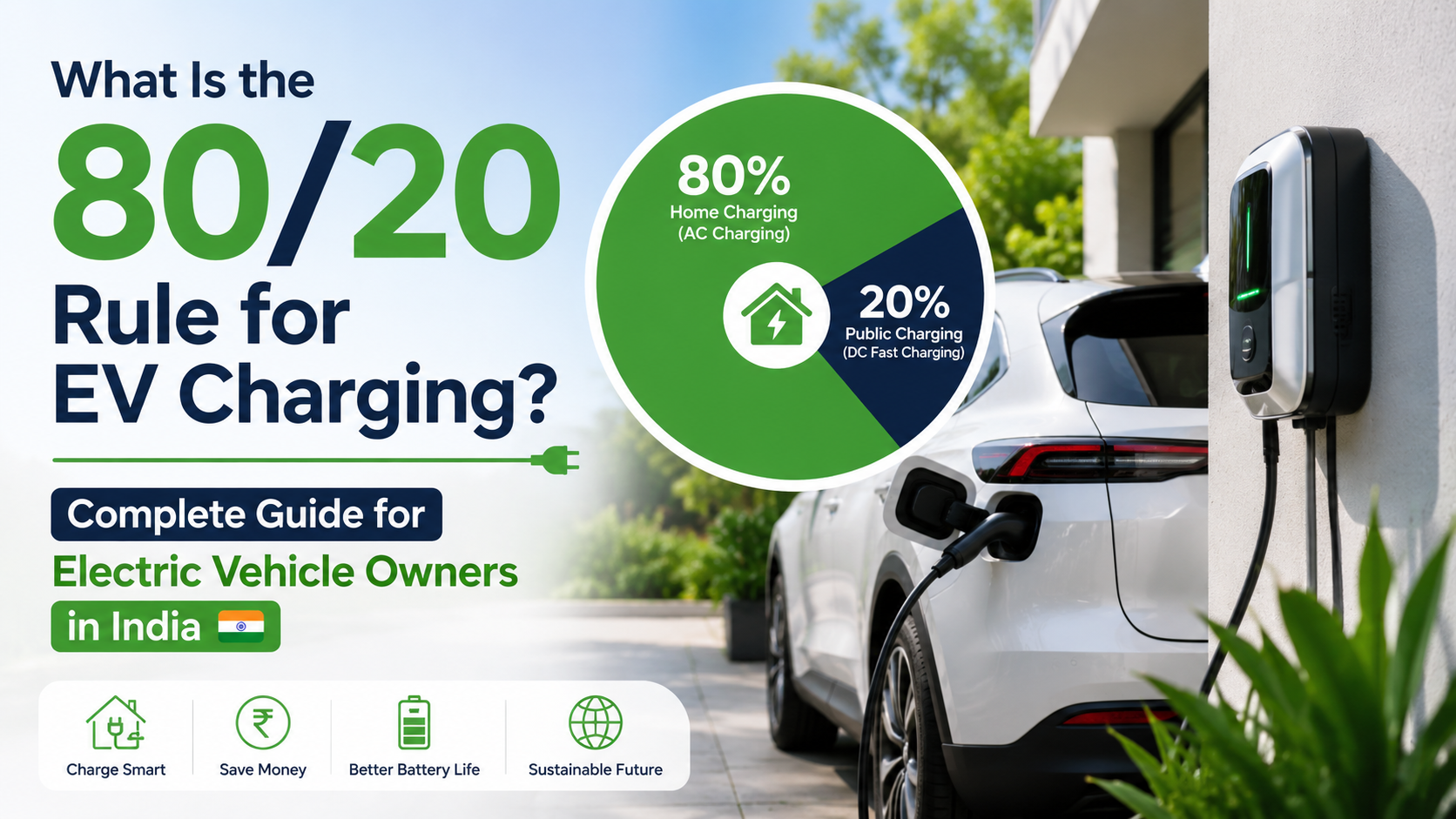
Maintain Charge Between 20% and 80%
Lithium-ion batteries perform best within this range.
Park in Shade
High temperatures accelerate battery degradation.
Whenever possible, park in covered areas.
Update Vehicle Software
Manufacturers frequently release software updates that improve battery management.
Drive Regularly
Long periods of inactivity can affect battery performance.
Regular use helps maintain battery health.
EV vs Petrol Car Longevity
Many buyers wonder whether EVs last as long as conventional vehicles.
EV Advantages
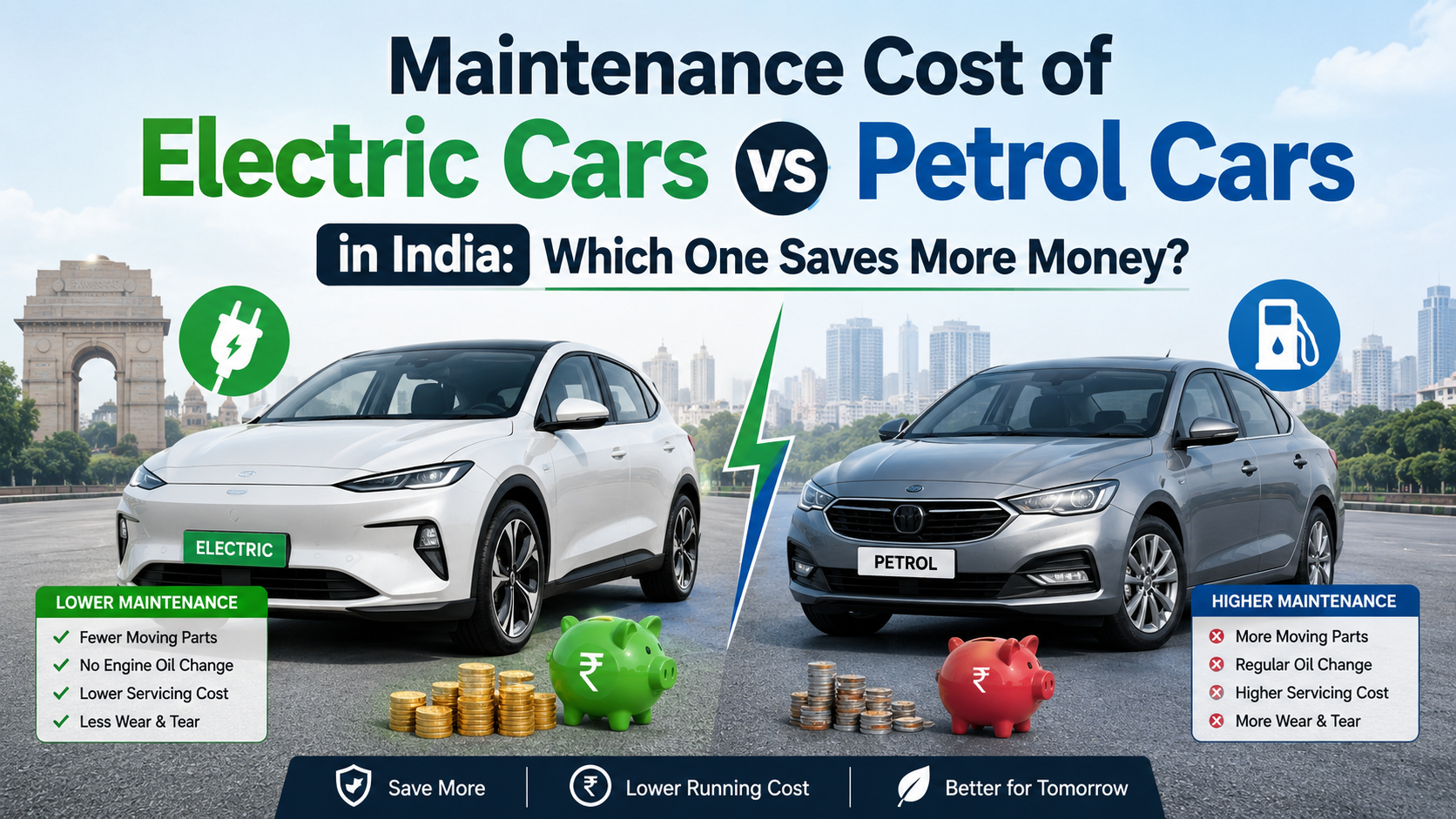
- Fewer moving parts
- No engine oil changes
- No clutch replacement
- Lower maintenance costs
- Reduced mechanical wear
Petrol Car Advantages
- Faster refueling
- Mature service ecosystem
- Lower replacement costs for major components
In many cases, EV drivetrains can actually outlast traditional internal combustion engines because they contain significantly fewer mechanical parts.
Comparison of EV Battery Life Across Popular EV Categories
| EV Category | Average Battery Life |
|---|---|
| Entry-Level EV | 8–12 Years |
| Mid-Range EV | 10–15 Years |
| Premium EV | 12–20 Years |
| Electric SUVs | 10–15 Years |
Battery technology continues improving every year, meaning newer EVs are likely to last even longer than earlier models.
Pros and Cons of EV Battery Ownership
Pros
- Long lifespan
- Lower maintenance requirements
- Covered by extensive warranties
- Gradual degradation rather than sudden failure
- Improved technology every year
- Lower operating costs
Cons
- Expensive replacement cost
- Range decreases over time
- Heat can accelerate degradation
- Fast charging may reduce lifespan
- Battery recycling infrastructure is still developing
Who Should Buy an EV?
An electric vehicle is a smart choice for:
Daily Commuters
People driving 30–100 km daily can save significantly on fuel expenses.
City Drivers
EVs perform exceptionally well in urban traffic conditions.
Environment-Conscious Buyers
Electric vehicles produce zero tailpipe emissions.
Long-Term Owners
Owners planning to keep a vehicle for several years benefit most from EV ownership.
Those frequently undertaking very long highway journeys should carefully evaluate charging infrastructure in their region before purchasing.
Expert Analysis: Is EV Battery Life Still a Concern?
A few years ago, battery lifespan was a genuine concern.
Today, the situation is very different.
Battery technology has matured rapidly. Modern EV batteries are designed to withstand thousands of charging cycles and years of regular use.
For the average Indian driver covering 12,000–15,000 km annually, the battery will likely remain functional long after the vehicle’s warranty period ends.
The bigger concern today is not battery lifespan but understanding charging habits and choosing an EV that matches your driving needs.
Frequently Asked Questions (FAQs)
1. How long does an EV battery last in India?
Most modern EV batteries last between 8 and 15 years depending on usage, charging habits, and climate conditions.
2. How many kilometers can an EV battery run?
Most EV batteries can comfortably cover 1.5 lakh to 5 lakh kilometers or more during their lifetime.
3. Do EV batteries need replacement after 8 years?
Not necessarily. Many batteries continue operating efficiently beyond 8 years while retaining more than 70–80% of their capacity.
4. Does fast charging damage EV batteries?
Occasional fast charging is safe, but frequent fast charging can accelerate battery degradation over the long term.
5. What happens when an EV battery reaches the end of its life?
The battery may be refurbished, reused for energy storage, recycled, or replaced with a new battery pack.
6. Can EV batteries be repaired?
In some cases, individual battery modules can be repaired or replaced instead of replacing the entire battery pack.
7. Is battery replacement common?
No. Most EV owners never need a complete battery replacement during normal ownership.
Conclusion
EV battery technology has improved dramatically over the past decade. Modern electric vehicle batteries are designed to last between 8 and 15 years and often remain usable far beyond their warranty period. Most drivers can expect their EV battery to cover well over 1.5 lakh kilometers while retaining a large portion of its original capacity.
Although battery replacement can be expensive, it is far less common than many buyers assume. Proper charging habits, moderate driving, and protection from extreme heat can significantly extend battery life.
For Indian buyers considering an electric vehicle in 2026, battery lifespan should no longer be viewed as a major obstacle. With advancing technology, falling battery costs, and improving reliability, EV ownership is becoming more practical and economical than ever before.
The key takeaway is simple: a modern EV battery is built to last, and for most owners, it will comfortably serve throughout the vehicle’s primary ownership period while delivering substantial savings on fuel and maintenance.