Introduction
Electric vehicles (EVs) are becoming increasingly popular in India due to rising fuel prices, government incentives, and growing environmental awareness. However, many buyers still ask an important question before making a purchase:
Are electric cars really cheaper to maintain than petrol cars?
The purchase price of an electric car is often higher than a comparable petrol vehicle. But ownership costs involve much more than the initial price. Regular servicing, engine maintenance, fuel expenses, replacement parts, and long-term reliability all play a major role in determining the actual cost of owning a vehicle.
In this detailed guide, we compare the maintenance cost of electric cars and petrol cars in India, helping you understand which option offers better value over the long run.
Quick Summary Table
| Factor | Electric Cars | Petrol Cars |
|---|---|---|
| Engine Oil Change | Not Required | Required Regularly |
| Air Filter Replacement | Minimal | Regular |
| Spark Plug Replacement | Not Required | Required |
| Clutch Maintenance | Usually Not Required | Required in Manual Cars |
| Brake Wear | Lower | Higher |
| Annual Service Cost | Lower | Higher |
| Fuel/Energy Cost | Much Lower | Higher |
| Battery Replacement | Expensive but Rare | Not Applicable |
| Mechanical Components | Fewer Parts | More Parts |
| Long-Term Maintenance | Generally Lower | Generally Higher |
Key Features of Electric Cars
- Zero engine oil changes
- Fewer moving mechanical parts
- Regenerative braking system
- Lower servicing requirements
- Reduced wear and tear
- Lower running cost per kilometer
- Environment-friendly operation
Understanding Vehicle Maintenance Costs
Maintenance cost refers to the money spent to keep a vehicle running properly throughout its ownership period.
These expenses typically include:
- Periodic servicing
- Engine oil replacement
- Filters and fluids
- Brake maintenance
- Tyre replacement
- Mechanical repairs
- Electrical repairs
- Component replacement
The biggest difference between electric and petrol vehicles lies in their mechanical complexity.
Why Electric Cars Have Lower Maintenance Costs
Electric vehicles use electric motors instead of internal combustion engines.
A typical petrol engine contains thousands of moving parts, while an electric motor has significantly fewer components.
This simple design reduces the chances of mechanical failure.
No Engine Oil Changes
One of the biggest maintenance expenses in petrol vehicles is engine oil replacement.
Most petrol cars require:
- Engine oil change every 8,000–10,000 km
- Oil filter replacement
- Labour charges
An electric vehicle does not require engine oil.
This immediately reduces annual maintenance expenses.
Typical Savings
A petrol car owner may spend ₹4,000–₹10,000 annually on oil-related maintenance alone.
An EV owner spends nothing on engine oil.
No Spark Plugs
Petrol engines use spark plugs to ignite fuel.
These need periodic inspection and replacement.
Electric cars do not have:
- Spark plugs
- Fuel injectors
- Timing belts
- Exhaust systems
This eliminates several common service items.
Lower Brake Wear
Electric vehicles use regenerative braking.
When the driver lifts off the accelerator or applies brakes, the motor helps slow the vehicle while recovering energy.
As a result:
- Brake pads last longer
- Brake discs wear less
- Brake replacement intervals increase
Many EV owners report brake pads lasting significantly longer than in petrol vehicles.
Fewer Mechanical Failures
Petrol cars have:
- Pistons
- Crankshaft
- Camshaft
- Fuel pump
- Exhaust system
- Catalytic converter
- Transmission components
These parts can wear out over time.
Electric vehicles eliminate many of these components, reducing maintenance requirements.
Maintenance Requirements of Petrol Cars
Petrol vehicles have proven reliability, but they require regular servicing.
Engine Oil and Filters
Engine oil is essential for lubrication.
Ignoring oil changes can cause:
- Engine wear
- Reduced efficiency
- Costly repairs
Regular replacement is mandatory.
Air Filter Maintenance
Dusty Indian roads can clog air filters quickly.
Dirty filters reduce:
- Fuel efficiency
- Engine performance
Replacement is necessary during scheduled service intervals.
Spark Plug Replacement
Spark plugs gradually wear out.
Symptoms include:
- Rough idling
- Reduced mileage
- Hard starting
Most manufacturers recommend replacement after specific intervals.
Exhaust System Repairs
Petrol vehicles have exhaust systems that can develop issues over time.
Common problems include:
- Rust
- Sensor failures
- Exhaust leaks
Electric cars do not have exhaust systems.
Running Cost Comparison
Maintenance is only one part of ownership.
Running cost is another major factor.
Electric Car Running Cost
Average electricity consumption:
- 12–15 kWh per 100 km
Average charging cost:
- ₹1 to ₹2 per km
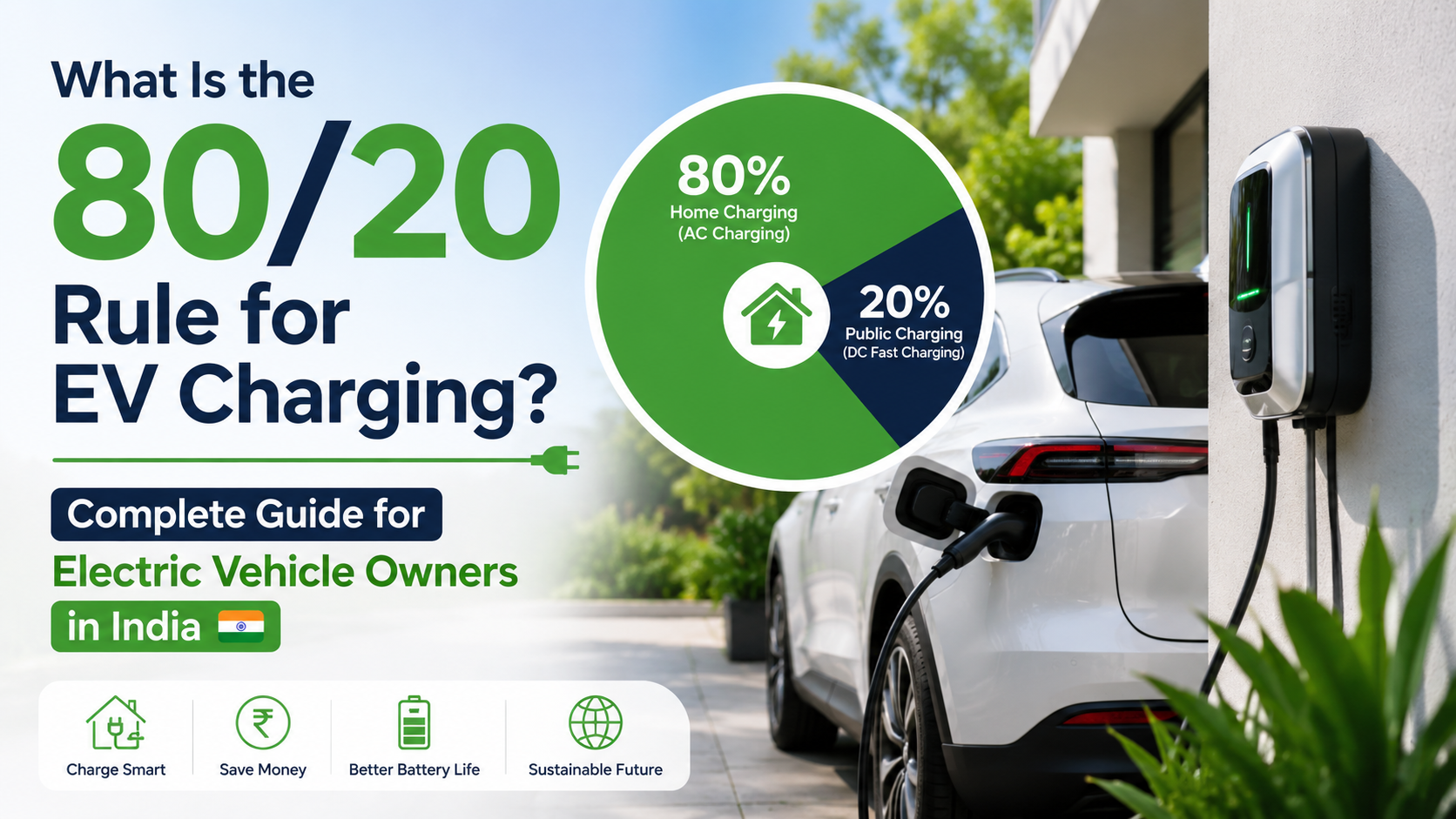
Home charging is usually the cheapest option.
Petrol Car Running Cost
Assuming:
- Petrol price: around ₹100 per litre
- Mileage: 15 kmpl
Cost per km:
Approximately ₹6–₹7 per km
Annual Running Cost Example
Distance Driven: 15,000 km per year
Electric Car
15,000 × ₹1.5
= ₹22,500 annually
Petrol Car
15,000 × ₹6.5
= ₹97,500 annually
Potential annual savings:
Approximately ₹75,000
This figure varies depending on charging costs and fuel prices.
Service Cost Comparison
Electric Car Service Cost
Most EV service visits involve:
- Software checks
- Brake inspection
- Tyre rotation
- Coolant inspection
- Battery health monitoring
Typical annual service cost:
₹2,000–₹8,000
Petrol Car Service Cost
Includes:
- Oil changes
- Filters
- Fluids
- Engine inspection
- Spark plugs
Typical annual service cost:
₹8,000–₹20,000+
Depending on vehicle category and usage.
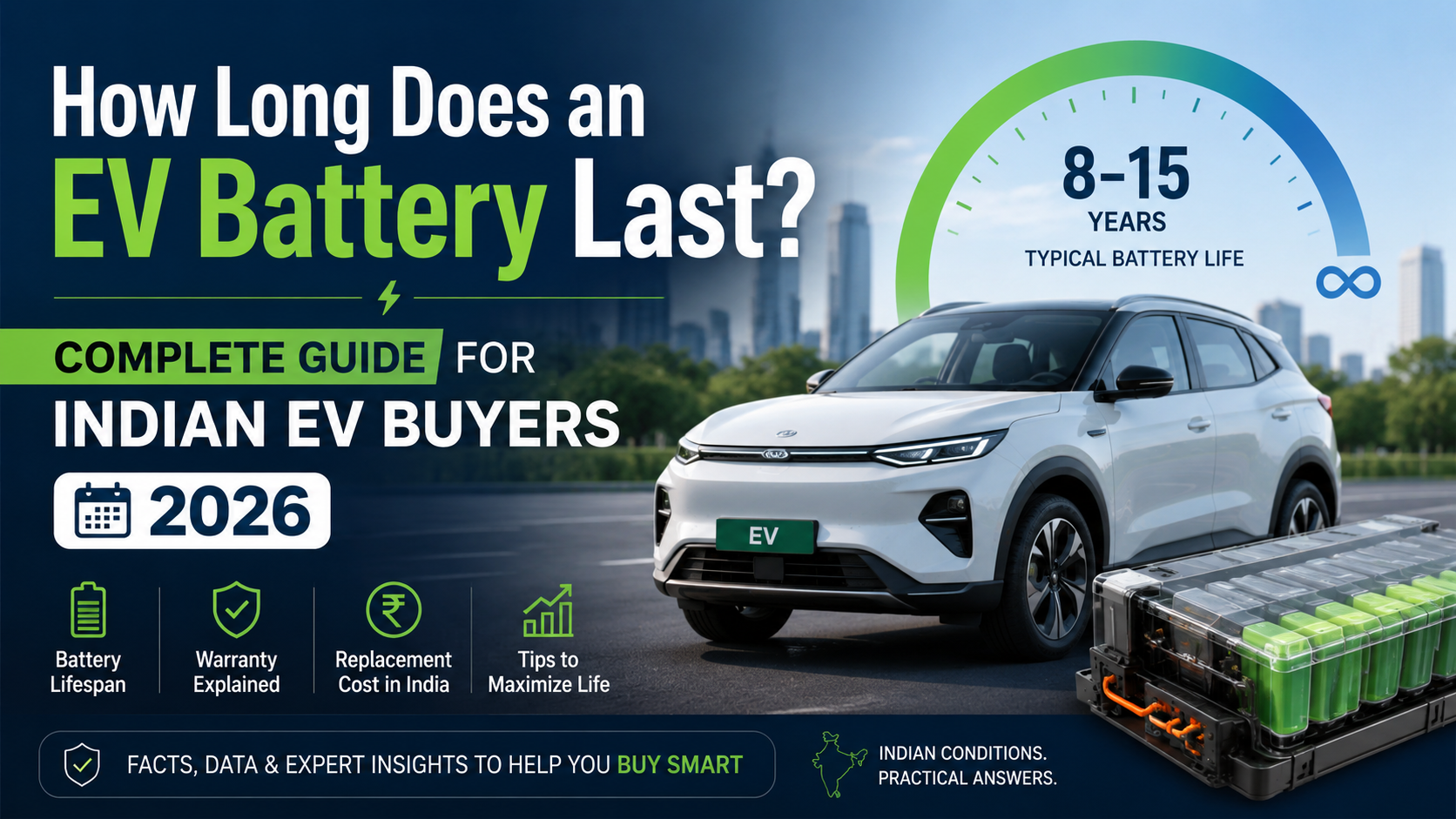
Battery Replacement: The Biggest EV Concern
Many buyers worry about battery replacement costs.
Is Battery Replacement Expensive?
Yes.
A traction battery can cost several lakhs of rupees.
However, modern EV batteries are designed to last many years.
Most manufacturers offer:
- 8-year warranty
- 160,000 km warranty or more
For many owners, battery replacement may never be required during normal ownership.
Battery Degradation
Like smartphone batteries, EV batteries gradually lose capacity.
However, degradation is usually slow.
Many modern batteries retain a large percentage of their original capacity even after several years of use.
Long-Term Ownership Cost Analysis
Let’s compare a five-year ownership period.

Electric Car
Estimated Costs
- Charging expenses
- Tyres
- Brake maintenance
- Periodic servicing
Total maintenance and energy costs remain relatively low.
Petrol Car
Estimated Costs
- Fuel expenses
- Oil changes
- Filters
- Spark plugs
- Brake replacement
- Additional engine maintenance
The cumulative cost is generally much higher.
Electric Car vs Petrol Car: Pros and Cons
Electric Car Pros
- Lower maintenance costs
- Lower running costs
- Smooth driving experience
- No engine oil changes
- Reduced brake wear
- Eco-friendly
Electric Car Cons
- Higher purchase price
- Charging infrastructure still developing
- Battery replacement is expensive
- Longer refueling time compared to petrol
Petrol Car Pros
- Lower initial purchase price
- Easy refueling anywhere
- Established service network
- Suitable for long-distance travel
Petrol Car Cons
- Higher fuel expenses
- Higher maintenance costs
- More mechanical wear
- Greater environmental impact
Comparison with Competitors
Small EV vs Small Petrol Hatchback
Examples include popular electric hatchbacks and petrol hatchbacks available in India.
EV Advantages
- Lower monthly expenses
- Lower servicing costs
- Better city driving economics
Petrol Advantages
- Lower purchase price
- Better long-distance flexibility
For city-focused users, EVs often deliver stronger long-term savings.
Expert Analysis
After analyzing ownership data, servicing patterns, and operating costs, one conclusion becomes clear:
Electric cars are generally cheaper to maintain than petrol cars.
The biggest reasons include:
- Fewer moving parts
- No engine oil changes
- Less brake wear
- Lower energy costs
However, ownership economics depend heavily on driving habits.
People who drive more kilometers annually benefit the most from EV ownership.
Those with low yearly usage may take longer to recover the higher purchase cost of an electric vehicle.
Who Should Buy an Electric Car?
An electric car is ideal for:
- Daily commuters
- City drivers
- Families with home charging access
- High-mileage users
- Buyers seeking lower running costs
Who Should Buy a Petrol Car?
A petrol car remains a better choice for:
- Frequent highway travelers
- People without charging facilities
- Buyers with limited budgets
- Rural users with limited charging infrastructure
Frequently Asked Questions (FAQs)
1. Are electric cars cheaper to maintain than petrol cars?
Yes. Electric cars generally have lower maintenance costs because they have fewer moving parts and do not require engine oil changes.
2. How much can I save with an electric car?
Savings depend on driving distance, but many Indian owners can save tens of thousands of rupees annually through lower energy and maintenance costs.
3. Do electric cars require servicing?
Yes. EVs still require tyre maintenance, brake inspections, software updates, and battery health checks.
4. Is battery replacement expensive?
Yes. Battery replacement can be costly, but modern EV batteries usually last many years and are covered by long warranty periods.
5. Which is better for city driving: EV or petrol?
Electric cars are generally better for city driving due to lower running costs and smoother traffic performance.
6. Do EVs have fewer breakdowns?
They often experience fewer mechanical failures because they contain fewer moving parts than petrol vehicles.
7. Are electric cars worth buying in India?
For many urban users with access to charging facilities, EVs can offer significant long-term savings and lower maintenance expenses.
Conclusion
When comparing the maintenance cost of electric cars vs petrol cars, electric vehicles clearly hold an advantage in most ownership scenarios. They eliminate many routine service requirements such as engine oil changes, spark plug replacements, and several engine-related repairs. Their regenerative braking systems also reduce brake wear, further lowering maintenance expenses.
Petrol cars continue to offer advantages in terms of purchase price, fueling convenience, and long-distance travel flexibility. However, rising fuel prices and regular servicing requirements make them more expensive to own over time.
For Indian buyers who drive frequently, especially in urban environments, an electric car can provide substantial long-term savings through lower running and maintenance costs. Meanwhile, buyers who travel long distances regularly or lack access to charging infrastructure may still find petrol vehicles more practical.
Ultimately, the best choice depends on your driving pattern, budget, and charging availability. From a pure maintenance and operating cost perspective, electric cars are generally the more economical option for the future.