Discover the most anticipated new car launches in June 2026 in India. From the luxurious Mercedes-Benz S-Class facelift and sporty BMW X6 M60i to the practical Honda ZR-V hybrid and Tata Sierra EV, get prices, specs, pros & cons, and buying advice. (158 characters)
Introduction
June 2026 is turning out to be an exciting month for Indian car buyers. Whether you’re looking for luxury, performance, efficiency, or an accessible electric option, several new models are hitting the market. This period brings a mix of updated flagships, performance SUVs, hybrids, and EVs tailored to Indian roads, fuel prices, and family needs.
Automakers are focusing on advanced safety, better efficiency, and modern tech while keeping costs practical where possible. In this detailed guide, we cover the key launches, their standout features, real-world suitability, and who should consider them.
Summary of June 2026 New Car Launches
| Model | Expected Launch | Segment | Expected Price (ex-showroom) | Powertrain Highlights |
|---|---|---|---|---|
| Mercedes-Benz S-Class Facelift | June 15 | Luxury Sedan | ₹1.85 – 2.0 Crore | PHEV (435 hp), mild-hybrid options |
| BMW X6 M60i | Mid-June | Luxury SUV/Coupe | ₹1.5 – 1.85 Crore | 4.4L V8 mild-hybrid (523 hp) |
| Honda ZR-V | June (prices) | Premium SUV | ₹40 – 50 Lakh | 2.0L strong hybrid (184 hp) |
| Skoda Kodiaq RS | June | Performance SUV | ₹45 – 55 Lakh | 2.0L turbo-petrol AWD (261 hp) |
| Tata Sierra EV | Late June | Electric SUV | ₹20 – 30 Lakh (est.) | Expected 400-500 km range |
| Renault Bigster | June 15 | Mid-size SUV | ₹12 – 18 Lakh | Petrol/Diesel/Hybrid options |
Prices are estimated and may vary. Always check with dealers for exact on-road costs.
Mercedes-Benz S-Class Facelift: The New Benchmark in Luxury
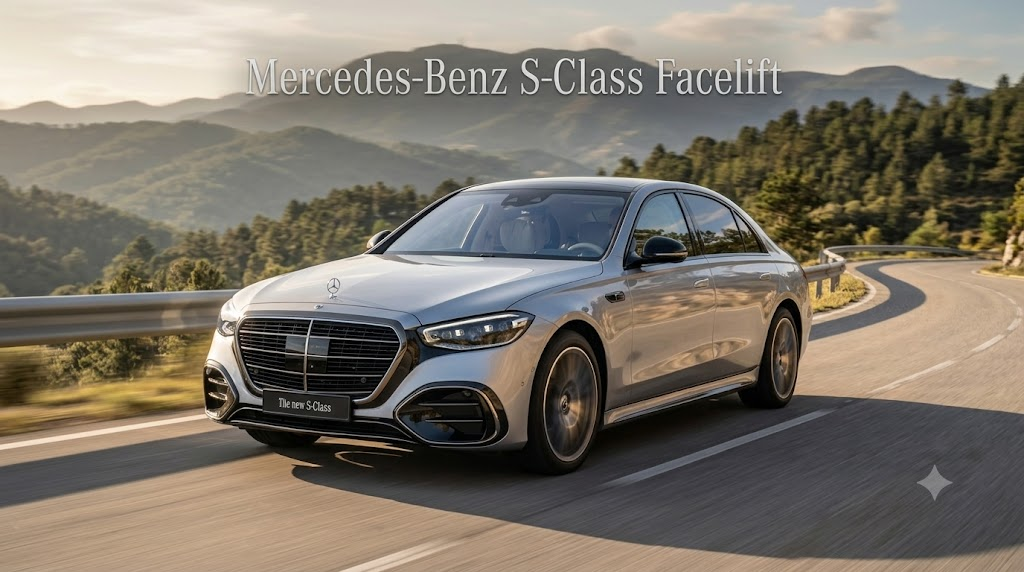
The Mercedes-Benz S-Class has long been the gold standard for executive sedans in India. The 2026 facelift introduces subtle exterior refreshes, a more advanced MBUX infotainment system, and crucially, India’s first plug-in hybrid S-Class variant.
Key Features
- Updated front grille, new LED lighting signatures, and refined bumpers.
- Massive rear-seat comfort with executive seating, massage functions, and a huge panoramic sunroof.
- Latest MBUX with improved voice commands, augmented reality navigation, and over-the-air updates.
- Advanced driver assistance including Level 2+ autonomy features.
Specifications (S 450e PHEV)
- Engine: 3.0L turbo inline-six + electric motor.
- Combined Power: 435 hp and 680 Nm.
- Battery: 22 kWh, offering up to 100 km electric range (claimed).
- Transmission: Automatic with AWD options.
- 0-100 km/h: Around 5.7 seconds.
Pros:
- Unmatched rear-seat luxury and ride quality.
- PHEV option helps with tax benefits and lower running costs in cities.
- Exceptional build quality and safety.
Cons:
- Very high price point.
- Large size makes it less ideal for tight city parking.
Price Information: Expected starting around ₹1.85 crore, with the PHEV commanding a premium.
Comparison with Competitors: It stands above the BMW 7 Series and Audi A8 in sheer opulence and tech, especially with the new hybrid powertrain that offers better efficiency than pure petrol rivals.
Who Should Buy It? Successful professionals, business owners, and those who value being chauffeured in ultimate comfort. Ideal if you prioritize prestige and long-distance refinement over fuel economy alone.
BMW X6 M60i: Performance Meets Presence
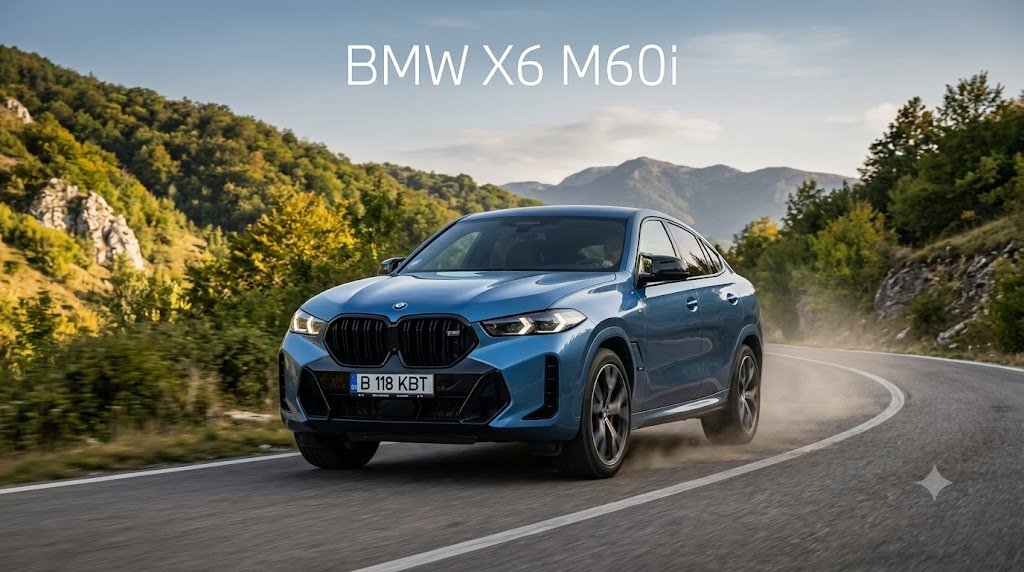
For those wanting a sportier luxury SUV, the BMW X6 M60i brings serious performance credentials.
Key Features
- Aggressive coupe-SUV styling with M-specific accents.
- Adaptive air suspension for a balance of comfort and handling.
- Luxurious cabin with premium materials, large curved display, and Bowers & Wilkins audio.
Specifications
- Engine: 4.4L twin-turbo V8 mild-hybrid.
- Power: 523 hp and 750 Nm.
- 0-100 km/h: 4.3 seconds.
- Top speed: Electronically limited to 250 km/h.
- Drivetrain: xDrive AWD with 8-speed automatic.
Pros:
- Thrilling acceleration and sharp handling for its size.
- Striking road presence.
- Well-equipped for Indian conditions with good ground clearance.
Cons:
- Limited rear headroom due to sloping roofline.
- Thirsty on fuel during enthusiastic driving.
Who Should Buy It? Enthusiasts who want a statement vehicle that performs as well as it looks. Great for those with a passion for driving who also need space for occasional family trips.
Honda ZR-V: Practical Premium Hybrid SUV
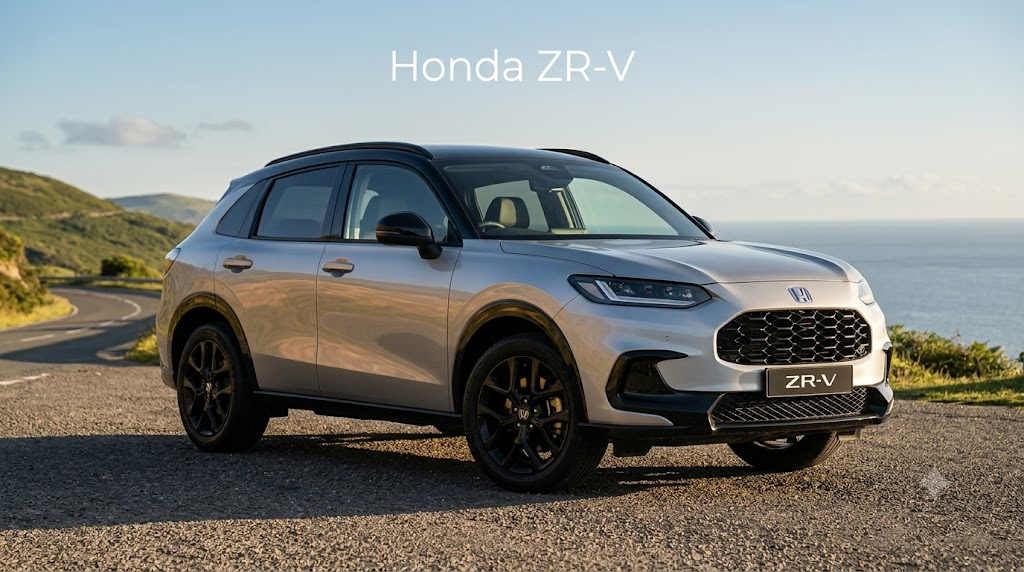
Honda’s ZR-V positions itself as a flagship hybrid offering capable of challenging established premium SUVs. It arrives as a CBU import in limited numbers.
Key Features
- Spacious and versatile interior with high-quality materials.
- Strong hybrid system for excellent fuel efficiency.
- Honda Sensing safety suite with multiple airbags and ADAS features.
- Comfortable ride tuned for Indian highways and city potholes.
Specifications
- Engine: 2.0L petrol strong hybrid.
- Combined Power: 184 hp and 315 Nm.
- Transmission: e-CVT.
- Claimed Efficiency: Around 22-23 kmpl.
- 0-100 km/h: Approximately 7.9 seconds.
Pros:
- Smooth and efficient powertrain.
- Reliable Honda build quality.
- Good space and practicality for families.
Cons:
- Limited availability as CBU.
- Pricing might overlap with more established German rivals.
Comparison: Offers better efficiency than many petrol SUVs in its class while providing a more relaxed drive than sportier options like the Skoda Kodiaq.
Who Should Buy It? Families seeking a premium, fuel-efficient SUV without the complexity of pure EVs. Perfect for daily commutes and weekend getaways.
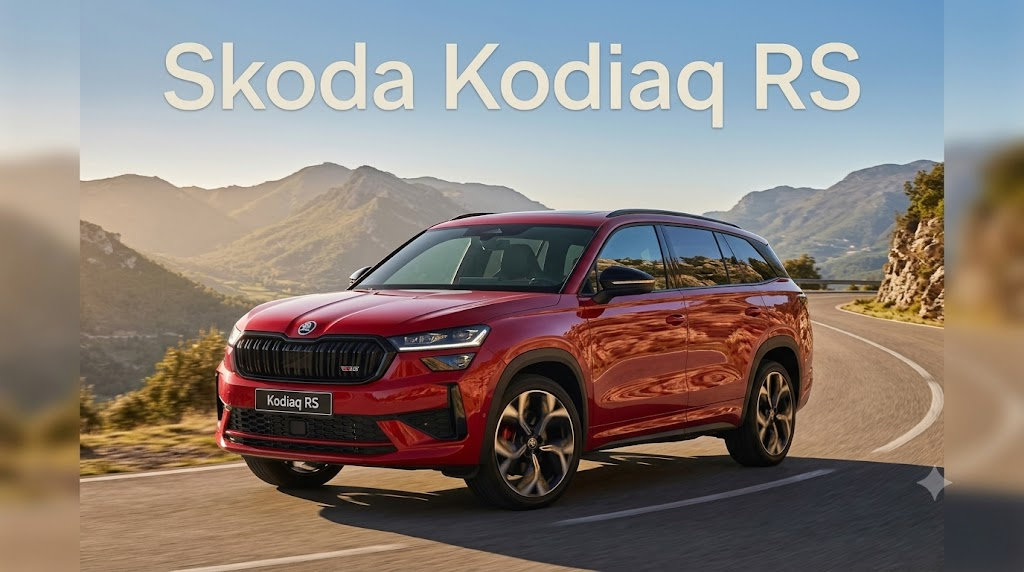
Skoda Kodiaq RS: Sporty Family Hauler
The Kodiaq RS brings performance credentials to the popular three-row SUV segment as a CBU import.
Key Features
- Sport-tuned suspension and RS badging.
- Premium interior with sport seats and digital cockpit.
- Generous space for seven passengers with flexible seating.
- Advanced safety and infotainment.
Specifications
- Engine: 2.0L turbo-petrol.
- Power: 261 hp and 400 Nm.
- Drivetrain: 7-speed DSG with AWD.
- 0-100 km/h: Around 6.3 seconds.
Pros:
- Engaging to drive for a large SUV.
- Practical for Indian families.
- Strong value in the performance SUV space.
Cons:
- Higher price due to import status.
- Fuel consumption on the higher side.
Who Should Buy It? Buyers needing a capable family SUV that can also deliver driving excitement on highways or twisty roads.
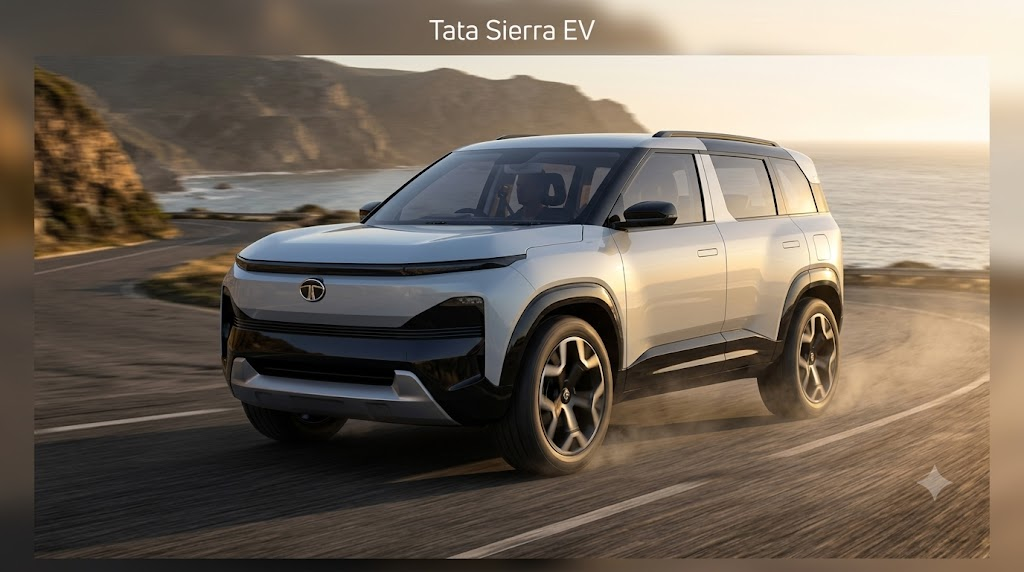
Tata Sierra EV: Affordable Electric Adventure
Tata is expanding its EV lineup with the Sierra EV, expected to bring retro-modern styling and solid range.
Key Features (Expected)
- Rugged design inspired by the original Sierra.
- Modern interior with large touchscreen and connected tech.
- Multiple battery options and potential AWD.
- Fast charging support suitable for Indian infrastructure.
Pros:
- Tata’s proven EV reliability and service network.
- Competitive pricing for the segment.
- Adventure-ready capabilities.
Cons:
- Exact specs still emerging; real-world range depends on usage.
- Charging infrastructure remains a consideration outside major cities.
Who Should Buy It? Early EV adopters looking for a stylish, practical electric SUV under ₹30 lakh with Tata’s ecosystem support.
Other Notable Launches
- Renault Bigster: A competitive mid-size SUV offering good value with spacious interiors and modern features, priced accessibly around ₹12-18 lakh.
- Smaller or niche entries like the Hyundai Inster (compact EV) also add options for urban buyers.
Expert Analysis and Practical Recommendations
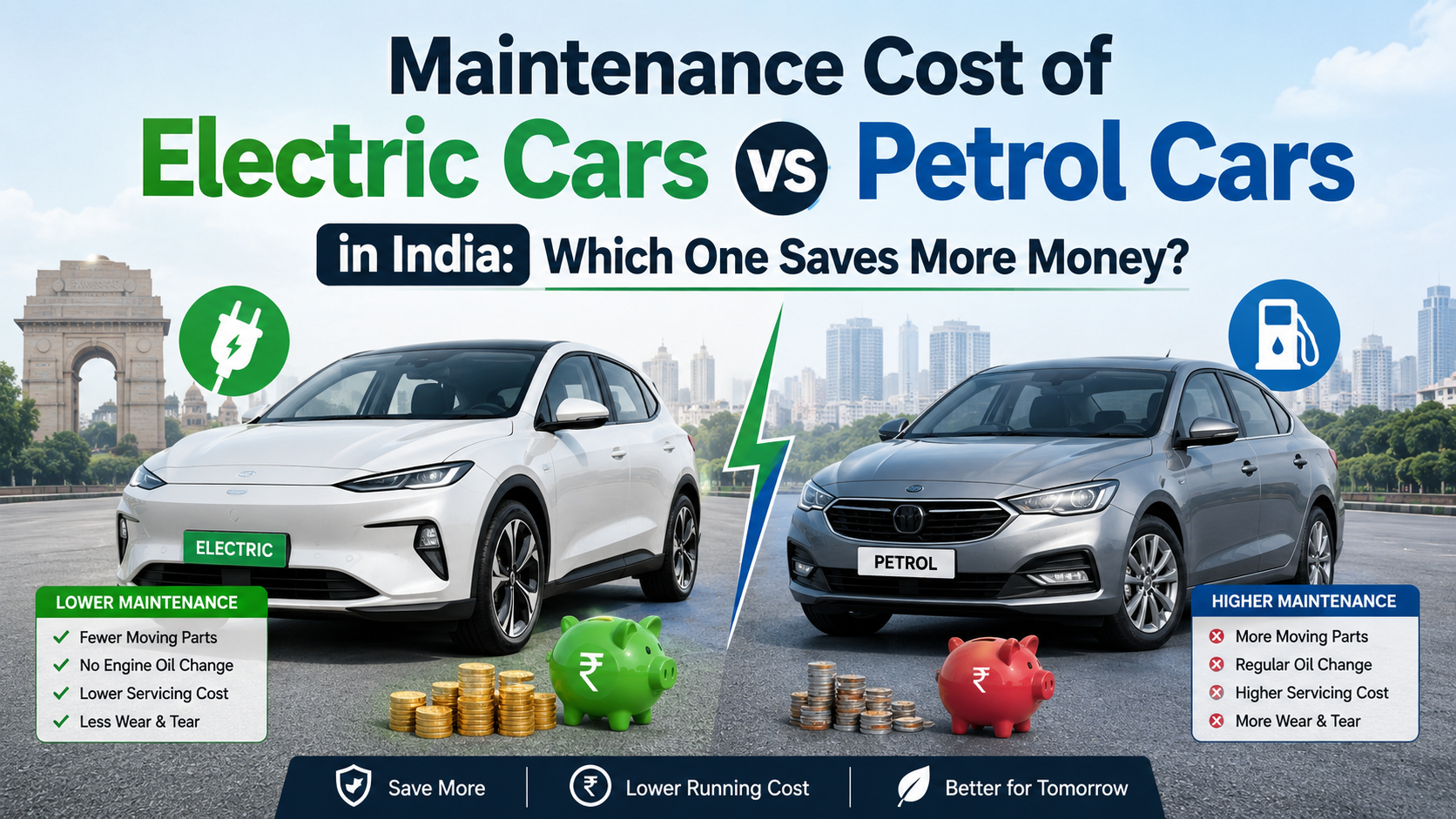
In 2026, Indian buyers benefit from greater choice in hybrids and EVs, which help combat rising fuel costs and align with government incentives. Luxury buyers should test drive the S-Class and X6 back-to-back for ride vs. performance preferences. For most families, hybrids like the ZR-V or performance options like the Kodiaq RS strike a strong balance.
Recommendations:
- Prioritize test drives focusing on real Indian conditions—potholes, highways, and AC performance.
- Factor in long-term costs: insurance, service, and resale value.
- Check for state EV subsidies if applicable.
- Consider your primary usage: city, highway, or mixed.
Frequently Asked Questions (FAQs)
Q1: Which is the most affordable new car launch in June 2026?
The Renault Bigster or similar mass-market SUVs are expected to be the most accessible, starting around ₹12 lakh, compared to premium offerings.
Q2: Are there good hybrid options in June 2026 launches?
Yes, the Honda ZR-V and Mercedes S-Class PHEV stand out for their efficiency and performance blend.
Q3: What is the expected real-world range of the Tata Sierra EV?
Estimates suggest 350-450 km depending on driving style, battery variant, and conditions—competitive for its price.
Q4: Should I wait for local manufacturing or buy CBU imports?
CBU models like the ZR-V or Kodiaq RS offer immediate access but higher prices. Locally made cars usually have better long-term service and parts availability.
Q5: How do these launches compare in terms of safety?
Most come with 5-6 star potential ratings, advanced ADAS, and strong structures. Always verify Global NCAP or Bharat NCAP results when available.
Q6: Which launch is best for business professionals?
The Mercedes-Benz S-Class facelift remains the top choice for prestige and rear-seat comfort.
Conclusion
June 2026 brings a diverse and compelling lineup of new cars to India, catering to different budgets and lifestyles. From the pinnacle of luxury in the Mercedes S-Class to practical hybrids and promising EVs like the Tata Sierra, buyers have genuine reasons to be excited. Take time to evaluate your needs, test drive thoroughly, and consider total ownership costs. These launches reflect the industry’s push towards smarter, more efficient, and safer vehicles—making it a great time to upgrade. Visit authorized dealerships soon, as popular models may have waiting periods. Happy motoring!