Will EV Cars Get Cheaper in 2026 in India
Electric vehicles (EVs) are no longer a futuristic dream on Indian roads. You see them everywhere – from the zippy Tata Nexon EV to the stylish MG Comet, and even electric rickshaws in narrow lanes. But there’s one question every potential buyer asks: Will EV cars get cheaper in 2026 in India?
If you’re holding back your purchase because of the high upfront cost, you’re not alone. The good news? Multiple signs point toward a significant price drop by 2026. But not every EV will become affordable overnight. Some will get cheaper, some will offer more features at the same price, and a few might even surprise us.
In this detailed, journalist-driven analysis, I’ll break down exactly what’s happening with EV pricing in India – using real data, government policies, global battery trends, and expert opinions. No jargon, no fluff. Just practical insights for the Indian buyer.
Let’s get straight into it.
Quick Summary Table – EV Price Outlook for 2026 (India)
| Aspect | Current Status (2025) | Expected Change by 2026 |
|---|---|---|
| Battery pack cost | ~$120–130 per kWh | ~$80–90 per kWh |
| Entry-level EVs (e.g., Tiago EV) | ₹8–10 lakh | Slightly cheaper or better features at same price |
| Mass-market SUVs (e.g., Nexon EV) | ₹14–18 lakh | Price drop of 8–12% possible |
| Premium EVs (e.g., BYD Atto 3) | ₹30 lakh+ | Marginal drop; feature upgrades |
| Government subsidy (FAME III) | Expected to continue | Likely extended with stricter localisation norms |
| Local manufacturing | 50–60% local parts | 75–80% by 2026 |
| New EV models launching by 2026 | 15+ models planned | Increased competition = lower prices |
Introduction – Why 2026 Is a Turning Point for EV Prices in India
Let’s be honest. Today, buying an EV in India still pinches the pocket. A petrol car like the Maruti Suzuki Swift costs around ₹6 lakh, while the smallest EV – Tata Tiago EV – starts at nearly ₹8 lakh (ex-showroom). For many families, that extra ₹2 lakh is not small change.
But here’s what most people miss: EV pricing depends heavily on three things – battery cost, government policy, and competition. All three are shifting rapidly in India’s favour.
By 2026, India will see:
- Lithium-ion battery prices falling below $100/kWh for the first time.
- At least 5 new electric SUVs under ₹15 lakh.
- Stronger local battery manufacturing via Ola, Reliance, and Suzuki’s Gujarat plant.
- Possible extension of FAME III with better incentives for affordable EVs.
So yes – EVs will get cheaper in 2026 in India, but not uniformly. Let’s dissect each factor like an automotive analyst.
H2: The Biggest Factor – Battery Costs Are Finally Crashing
If you understand one thing, understand this: 40–50% of an EV’s cost is its battery. When battery prices drop, EV prices follow.
H3: Global lithium prices are cooling down
In 2022–2023, lithium carbonate prices shot up to nearly $80,000 per tonne. That made EVs expensive worldwide. But by late 2024, prices crashed below $15,000 per tonne. By 2026, experts at BloombergNEF predict lithium prices will stabilise at $10,000–12,000 per tonne.
H3: Battery pack cost expected below $90/kWh by 2026
Today, Indian EV makers pay roughly $120–130 per kWh for battery packs. By 2026, that could drop to $80–90 per kWh. Let’s do simple math:
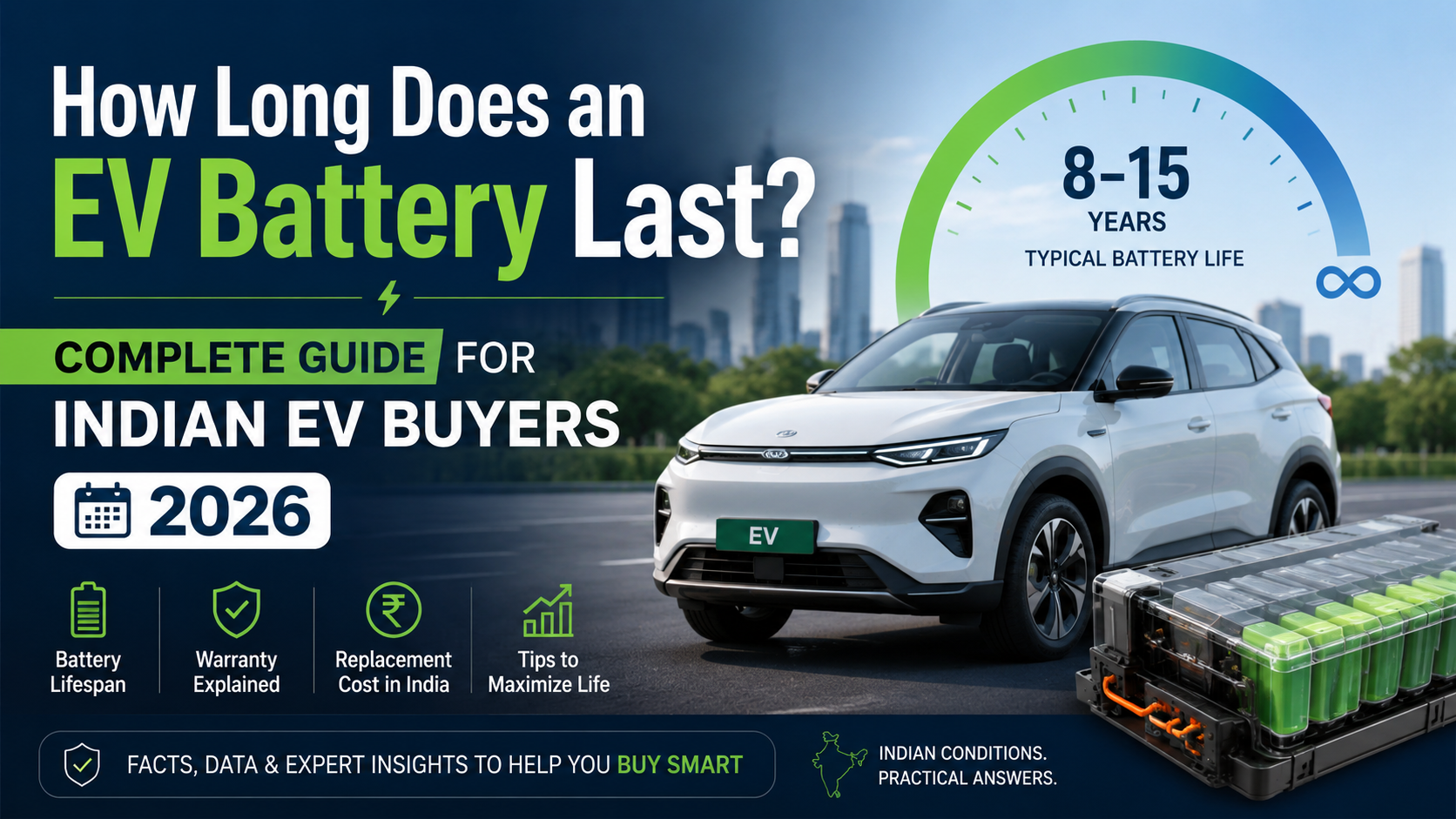
- A 30 kWh battery (like in Tata Nexon EV) today costs ~$3,900 (₹3.25 lakh) just for the pack.
- At $85/kWh in 2026, the same battery costs ~$2,550 (₹2.1 lakh).
- Saving of over ₹1 lakh per car – directly transferable to the buyer.
And that’s conservative. Some Chinese cells are already hitting $70/kWh. Indian manufacturers like Log9, Exide, and Amara Raja will produce cells locally by 2026, cutting import duties further.
H2: Government Policies – FAME III, PLI, and State Subsidies
No discussion on EV pricing in India is complete without government intervention. The FAME II scheme ended in 2024, but FAME III is widely expected to launch with a budget of ₹10,000–15,000 crore.
H3: What FAME III could mean for 2026 prices
- Subsidy likely to focus on affordable EVs under ₹15 lakh.
- Incentive per kWh reduced but better targeted.
- Strict localisation – 70%+ domestic parts required to qualify.
This means mass-market EVs (Tata, Mahindra, MG) will continue to get subsidies, while luxury EVs (BMW, Mercedes, BYD high-end) may not.
H3: PLI Auto and Advanced Chemistry Cell (ACC) schemes
The government’s ₹18,100 crore PLI scheme for ACC battery manufacturing is already showing results. By 2026:
- Ola’s cell factory in Tamil Nadu (5 GWh) will be fully operational.
- Suzuki-Toshiba-Denso joint venture in Gujarat will produce 30 GWh annually.
- Reliance’s battery giga-factory in Jamnagar (planned 50 GWh) may start partial output.
Result? Battery imports will drop from 80% today to under 40% by 2026. That directly lowers EV sticker prices.
H3: State-level subsidies
States like Maharashtra, Gujarat, Delhi, and Karnataka offer additional purchase subsidies (₹5,000–₹1.5 lakh). By 2026, more states will join, especially as charging infrastructure grows.
Expert take: Don’t wait for a “magic subsidy” – FAME III will help, but falling battery costs will do the heavy lifting.
H2: New EV Models Launching by 2026 – More Choices, Lower Prices
Competition is the buyer’s best friend. By 2026, India’s EV market will transform from a two-horse race (Tata vs MG) to a battlefield.
H3: Confirmed EVs under ₹15 lakh by 2026
| Model | Expected Price | Launch Timeline |
|---|---|---|
| Maruti Suzuki EV (YMC) | ₹10–12 lakh | Late 2025 |
| Hyundai Casper EV | ₹9–11 lakh | Mid 2026 |
| Mahindra BE 6e (compact) | ₹12–14 lakh | 2026 |
| Tata Altroz EV | ₹11–13 lakh | 2025 end |
| Honda Activa EV (electric scooter) | ₹1.2–1.5 lakh | Already launched but more variants by 2026 |
| Toyota Urban EV (small SUV) | ₹13–15 lakh | 2026 |
With Maruti and Toyota entering the budget EV space, price pressure on Tata and MG will be immense. Expect aggressive discounts and feature upgrades.
H3: Premium EVs will see smaller price drops
Cars like BYD Atto 3, Kia EV6, and Hyundai Ioniq 5 – priced ₹30 lakh+ – won’t drop dramatically. Their buyers care less about price and more about range, performance, and brand. A 5–7% reduction is possible, but not life-changing.
H2: Key Features to Expect in 2026 EVs (Even Affordable Ones)
EVs in 2026 won’t just be cheaper – they’ll be much better. Here’s what ₹10–15 lakh will get you:
H3: Standard features across mass-market EVs
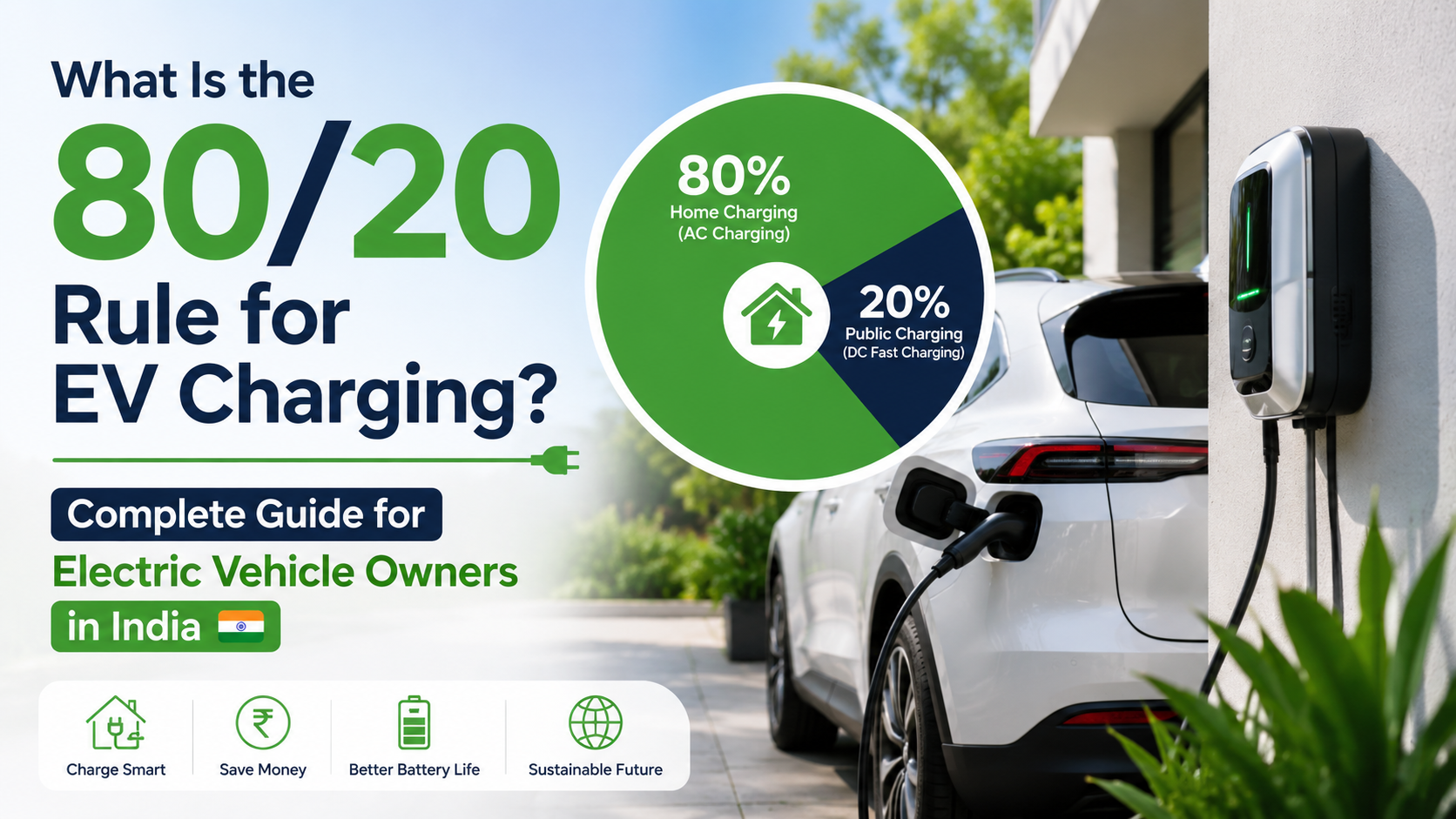
- Real-world range: 300–400 km (from 250 km today)
- Charging speed: 50 kW DC fast charging (10–80% in 45 minutes)
- Battery warranty: 8 years / 1.6 lakh km
- Safety: 5-star Bharat NCAP rating (mandatory for new models)
- Infotainment: 10-inch touchscreen with wireless Android Auto & Apple CarPlay
- Connected car tech: Standard in most EVs
H3: Battery technology improvements
- LFP (Lithium Iron Phosphate) batteries will dominate budget EVs – safer, longer life, cheaper.
- Sodium-ion batteries may appear in very low-cost EVs (under ₹8 lakh) by late 2026 – less energy dense but much cheaper and cooler running.
H2: Specifications Comparison – 2025 vs 2026 (Typical ₹15 Lakh EV)
| Specification | 2025 EV | 2026 EV (Projected) |
|---|---|---|
| Battery capacity | 30 kWh | 35–40 kWh |
| Range (claimed) | 350 km | 450 km |
| Real-world range | 250 km | 330–350 km |
| Fast charging | 30 kW | 50 kW |
| 0–100 km/h | 9.5 sec | 8.0–8.5 sec |
| Local parts | 55% | 75% |
| Ex-showroom price | ₹15 lakh | ₹13–13.5 lakh |
H2: Pros and Cons of Buying an EV in 2026 vs Today
Pros (Why waiting until 2026 makes sense)
✅ Lower purchase price – ₹1–2 lakh saving on mass-market EVs.
✅ Better range – 300+ km real-world range reduces anxiety.
✅ More model choices – Maruti, Hyundai, Toyota, Mahindra all in the game.
✅ Lower battery replacement cost – post-warranty battery pack will cost 40% less.
✅ Improved charging network – By 2026, India may have 25,000+ public chargers (from ~12,000 in 2024).
Cons (Why you might buy today instead)
❌ You lose 1–2 years of fuel savings (petrol vs electricity).
❌ Government subsidy could reduce for some models.
❌ Waiting means continuing to pay for rising petrol prices.
❌ Early birds get lower insurance premiums (new tech always costs more initially).
Expert verdict: If you need a car urgently today, buy an EV now – the fuel savings offset some price difference. But if you can wait until late 2025 or 2026, you’ll get significantly more value.
H2: Who Should Buy an EV in 2026 (and Who Should Buy Now)
Ideal buyer for 2026 EV purchase
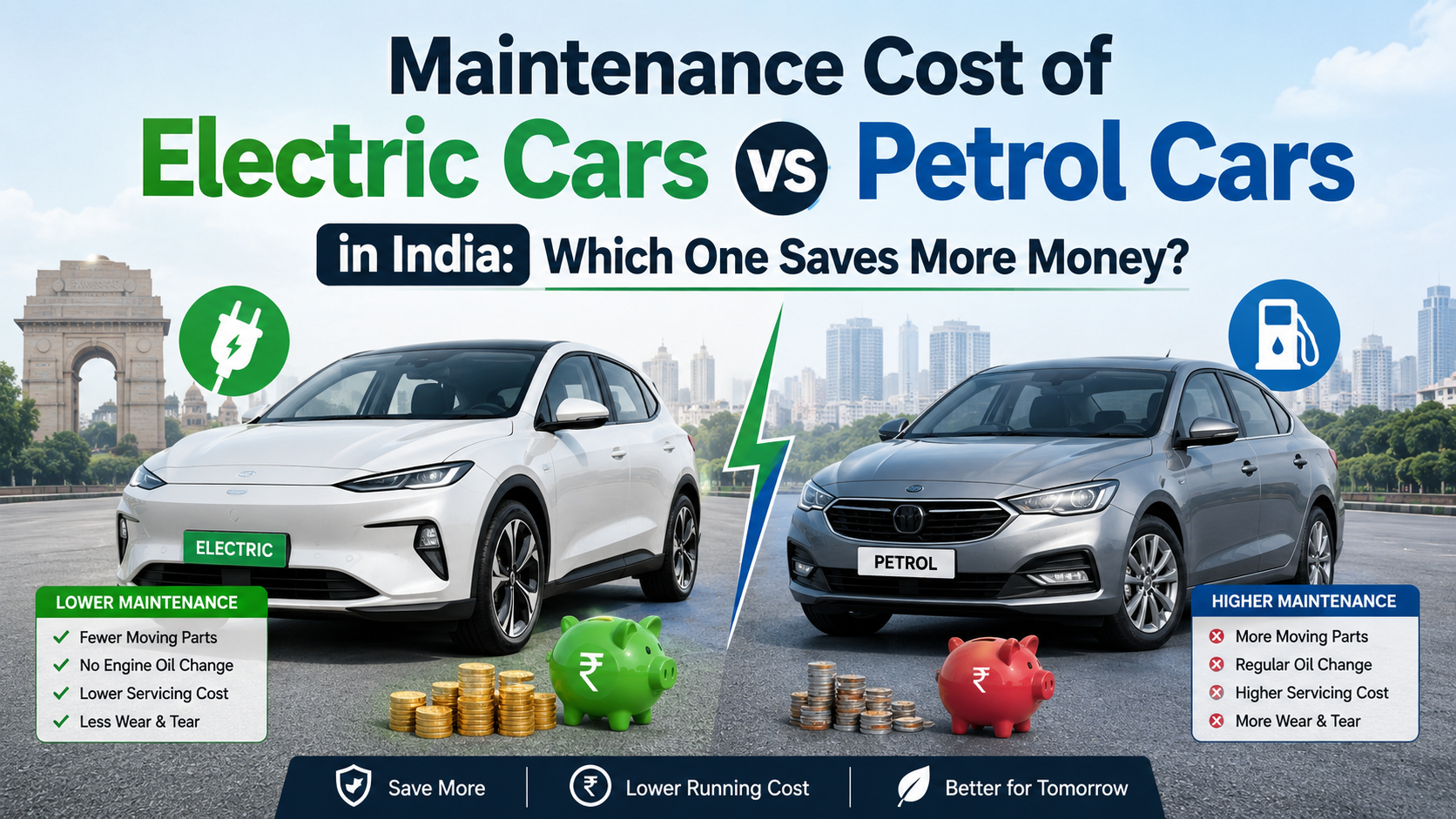
- City commuters driving 40–60 km daily – cheap running cost (₹1–1.5 per km vs ₹7–8 for petrol).
- Second car buyers – use EV for daily errands, keep petrol car for highway trips.
- Fleet operators (taxis, deliveries) – lower total cost of ownership by 2026.
- Eco-conscious families with a home charging setup.
Who should buy an EV today (2025)
- Your current car is failing and repairs cost ₹50k+.
- You have access to office or home charging.
- You drive over 1,500 km per month – fuel savings cover the extra upfront cost within 2 years.
H2: Comparison with Petrol/Diesel Cars in 2026
Let’s compare a 2026 mass-market EV (₹13 lakh) with a similarly priced petrol SUV (like Hyundai Venue or Kia Sonet).
| Parameter | EV (2026) | Petrol SUV (2026) |
|---|---|---|
| Ex-showroom price | ₹13 lakh | ₹12 lakh |
| Running cost per km | ₹1.2 (home charging) | ₹7.5 |
| Service cost per year | ₹3,000–4,000 | ₹8,000–10,000 |
| Range (full tank/charge) | 350 km (real) | 550 km |
| Refueling/recharge time | 45 mins (fast charge) | 3 mins |
| Resale value after 5 years | 45–50% (improving) | 55–60% |
Bottom line: For high-mileage users, EV wins hands down by 2026. For low-mileage (under 800 km/month), petrol still makes sense financially.
H2: Price Information – Real Numbers for 2026 (Estimated)
These are projections based on current trends and industry insider inputs.
| EV Model | Current Price (2025) | Expected Price (2026) | Change |
|---|---|---|---|
| Tata Tiago EV | ₹8.69 – 11.99 lakh | ₹8 – 10.5 lakh | -7% |
| Tata Nexon EV MR | ₹14.49 lakh | ₹12.9 lakh | -11% |
| MG Comet EV | ₹7.98 lakh | ₹7.2 lakh | -9% |
| Mahindra XUV400 EV | ₹15.99 lakh | ₹14.4 lakh | -10% |
| Maruti Suzuki EV (new) | – | ₹10.5 – 12.5 lakh | N/A |
| BYD Atto 3 | ₹33 lakh | ₹30 – 31 lakh | -6% |
All prices ex-showroom, Delhi. Actual savings may vary by state subsidy.
FAQ – Frequently Asked Questions (Minimum 5)
1. Will EV prices drop in India after 2026?
Yes, but the steepest drop will happen between 2025 and 2027. After that, prices will stabilise and then slowly decline with battery tech improvements. Don’t expect a ₹15 lakh EV to become ₹10 lakh overnight – but ₹1.5–2 lakh reduction is realistic.
2. Should I wait until 2026 to buy an EV?
If your current car works fine, waiting makes sense – especially if you want a Maruti or Hyundai EV. But if you’re spending ₹15,000+ monthly on petrol, buy now. The fuel savings will partly offset waiting for a price drop.
3. Will the government remove EV subsidies after 2026?
Unlikely. India aims for 30% EV penetration by 2030. Subsidies may reduce but won’t vanish. They will shift toward affordable EVs and local manufacturing. Expect a phased reduction starting 2027–28.
4. Are cheaper EVs in 2026 going to be safe?
Yes – by 2026, all new EVs must pass Bharat NCAP crash tests. Budget EVs will still have 2–4 airbags, ABS, ESC, and reinforced battery protection. Don’t buy EVs from unknown brands without safety ratings.
5. Will used EV prices drop in 2026?
Absolutely. As new EVs become cheaper, used EV prices will fall faster. That’s good news if you’re buying used, bad if you’re selling. A 3-year-old EV in 2026 may cost just 40–45% of its original price.
6. Which Indian city will have the cheapest EVs in 2026?
Delhi, Maharashtra, Gujarat, and Karnataka will likely offer the best combo of state subsidy + lower road tax + cheap electricity. Delhi already waives road tax and registration fees – that saves ₹1.5–2 lakh on a ₹15 lakh EV
Conclusion – The Smart Buyer’s Takeaway
So, will EV cars get cheaper in 2026 in India? Yes, but smartly, not dramatically.
Here’s the honest summary:
- Battery costs – The real hero. Falling lithium prices and local cell manufacturing will cut EV prices by 8–12% on mass-market models.
- New models – Maruti, Hyundai, Toyota, and Mahindra will flood the market with sub-₹15 lakh EVs. More competition = better deals.
- Government support – FAME III and PLI schemes will keep affordable EVs subsidised, but don’t expect free lunches.
- Who wins most? – City commuters, high-mileage users, and fleet operators. Low-mileage users can still stick with petrol for now.
If you’re asking, “Should I buy in 2025 or wait?” – here’s my journalist’s recommendation:
Wait until mid-2026 if you can. By then, you’ll have at least 5 new affordable EV models, better batteries, and proven real-world reviews. But if your petrol bill is hurting today, an EV right now still beats any petrol car on running costs.
The era of expensive EVs in India is ending. 2026 won’t bring a price crash – but it will bring the most sensible, value-packed electric cars we’ve ever seen. And that’s worth waiting for.