Discover the disadvantages of hybrid cars in India, including battery costs, maintenance, resale value, and ownership challenges before buying.
What Are the Negatives of Buying a Hybrid Car?
Hybrid cars have become increasingly popular in India as fuel prices continue to rise and buyers look for more efficient alternatives to traditional petrol and diesel vehicles. Models such as the Toyota Hyryder, Maruti Grand Vitara Hybrid, Honda City e:HEV, and Toyota Innova HyCross Hybrid have attracted attention because of their impressive fuel efficiency and lower emissions.
However, while hybrid vehicles offer several benefits, they are not perfect for everyone. Many buyers focus only on the mileage figures and overlook some important drawbacks that can significantly affect long-term ownership experience.
If you are planning to buy a hybrid car in 2026, understanding the disadvantages is just as important as knowing the advantages. This detailed guide explains the key negatives of hybrid cars, helping you make an informed decision before spending your hard-earned money.
Hybrid Car Disadvantages: Quick Summary
| Factor | Drawback |
|---|---|
| Purchase Price | Higher upfront cost |
| Battery Replacement | Expensive after warranty |
| Maintenance | More complex system |
| Repair Costs | Specialized technicians required |
| Highway Efficiency | Less benefit than city driving |
| Boot Space | Reduced in some models |
| Weight | Heavier than conventional cars |
| Insurance Cost | Often slightly higher |
| Resale Value | Uncertain in some segments |
| Long-Term Ownership | Battery degradation concerns |
Introduction
Hybrid cars combine an internal combustion engine with an electric motor and battery pack. Depending on the system, the vehicle can run on petrol, electricity, or a combination of both.
The main reason buyers choose hybrid cars is fuel efficiency. Some strong hybrid models deliver mileage figures exceeding 25 km/l under ideal conditions. While this sounds impressive, the technology comes with compromises that many first-time buyers fail to consider.
Let’s examine the major negatives of owning a hybrid vehicle in India.
Key Features of Hybrid Cars
Before discussing the drawbacks, it is important to understand what hybrid cars offer.
Common Features
- Petrol engine combined with electric motor
- Regenerative braking system
- Automatic transmission
- Improved fuel economy
- Lower tailpipe emissions
- Silent electric driving at low speeds
- Automatic engine start-stop function
- Battery-assisted acceleration
Specifications of Typical Strong Hybrid Cars
| Specification | Typical Range |
|---|---|
| Engine Size | 1.5L–2.0L Petrol |
| Battery Type | Lithium-Ion / Nickel Metal Hydride |
| Power Output | 100–190 HP |
| Transmission | e-CVT / Automatic |
| Fuel Efficiency | 20–28 km/l |
| Battery Warranty | 8–10 Years |
| Price Range | ₹15 Lakh – ₹35 Lakh |
1. Higher Purchase Price
The biggest disadvantage of hybrid cars is their high initial cost.
Hybrid technology adds expensive components such as:
- Electric motor
- Power control unit
- High-voltage battery
- Advanced software
- Additional cooling systems
As a result, hybrid vehicles are significantly more expensive than comparable petrol models.
Example
A strong hybrid version of an SUV can cost ₹2 lakh to ₹5 lakh more than its regular petrol counterpart.
For buyers with limited budgets, this price difference can be difficult to justify.
Is the Extra Cost Worth It?
The answer depends on annual usage.
If you drive less than 10,000 km per year, recovering the additional purchase cost through fuel savings may take many years.
2. Expensive Battery Replacement
The battery pack is the heart of any hybrid vehicle.
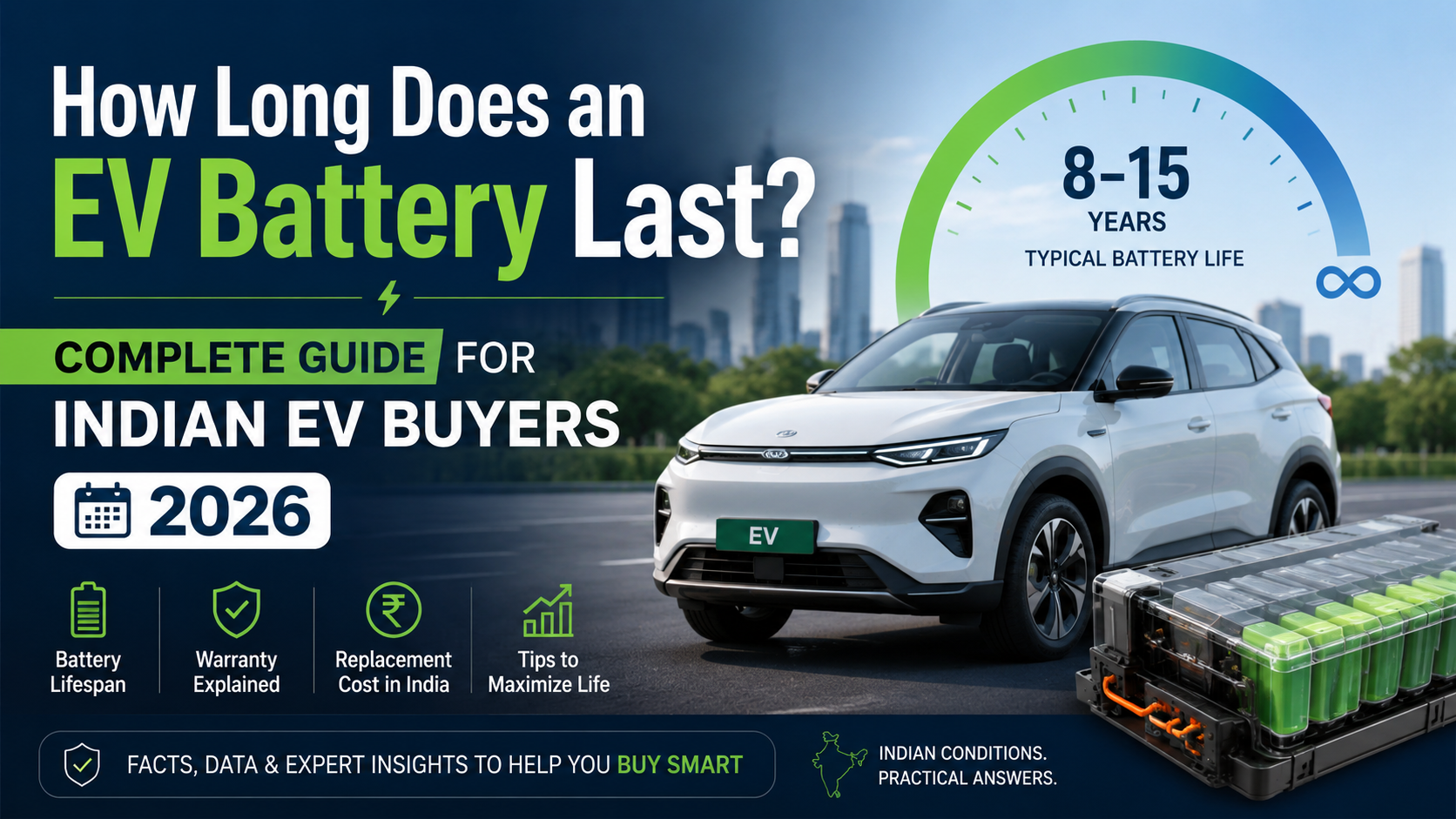
Although modern hybrid batteries are designed to last a long time, they do not last forever.
Battery Replacement Cost
Depending on the vehicle:
- Small hybrid cars: ₹1 lakh to ₹2 lakh
- Premium hybrids: ₹2 lakh to ₹5 lakh or more
While manufacturers provide long warranties, battery replacement remains a concern for buyers planning long-term ownership.
Battery Degradation
Over time, batteries naturally lose efficiency.
Factors affecting battery health include:
- Extreme temperatures
- Frequent charging cycles
- Age
- Driving conditions
Even if complete replacement is not required, performance may gradually decline.
3. Complex Mechanical System
Traditional petrol cars have relatively simple powertrains.
Hybrid vehicles combine:
- Petrol engine
- Electric motor
- High-voltage battery
- Inverter
- Regenerative braking system
- Advanced control electronics
More components mean more complexity.
This can create challenges when repairs are needed outside authorized service networks.
4. Higher Repair Costs
Repairing a hybrid car often requires specialized equipment and trained technicians.
Not every local garage can safely handle:
- High-voltage systems
- Hybrid battery diagnostics
- Electric motor repairs
- Power electronics
As a result, owners often depend heavily on authorized service centers.
Potential Drawbacks
- Higher labor costs
- Limited independent repair options
- Longer repair waiting times
- Costlier replacement parts
This becomes more important in smaller towns where hybrid expertise may be limited.
5. Fuel Efficiency Advantage Reduces on Highways
Hybrid cars excel in city traffic.
Frequent braking allows regenerative systems to recover energy and recharge the battery.
However, highway driving presents a different scenario.
Why Efficiency Drops
At steady high speeds:
- Electric motor assistance becomes limited
- Petrol engine does most of the work
- Regenerative braking opportunities reduce
As a result, the mileage advantage over conventional petrol cars becomes smaller.
Example
A hybrid may achieve:
- 24–28 km/l in city conditions
- 18–21 km/l on highways
While still efficient, the difference is less dramatic.
6. Reduced Boot Space in Some Models
Hybrid batteries require installation space.
Depending on vehicle design, manufacturers may place batteries:
- Under rear seats
- Under cargo floor
- Inside luggage compartment
This can reduce usable storage capacity.
For families who frequently travel with luggage, reduced boot space can be inconvenient.
Always compare cargo capacity before purchasing.
7. Increased Vehicle Weight
Hybrid cars are heavier than comparable petrol vehicles.
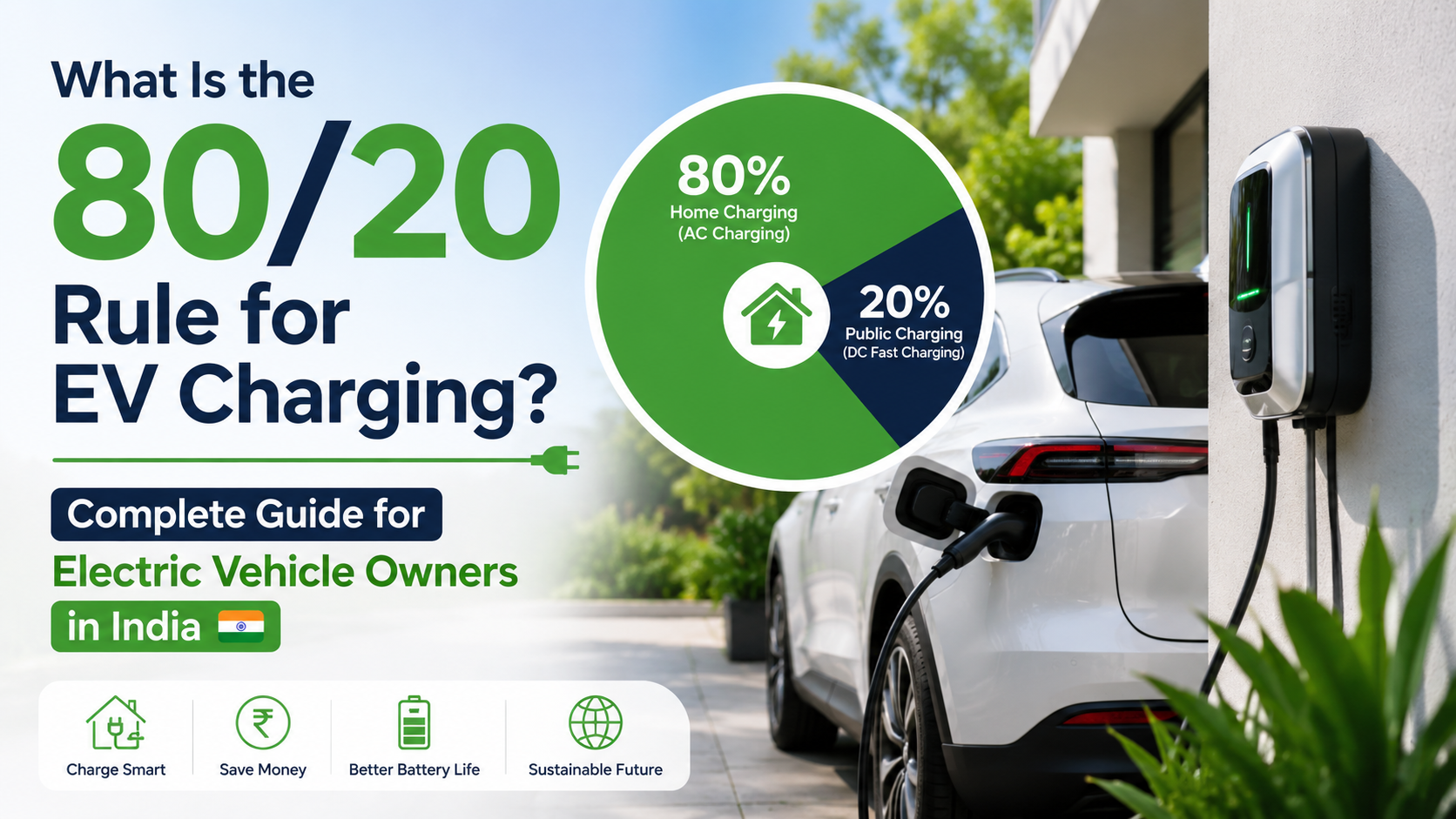
The additional weight comes from:
- Battery pack
- Electric motor
- Cooling systems
- Electronic hardware
Impact of Extra Weight
- Slightly reduced handling agility
- Increased tire wear
- Potentially higher braking system load
- Reduced performance in some situations
Most modern hybrids manage this well, but weight remains a drawback.
8. Higher Insurance Premiums
Because hybrid vehicles contain expensive electrical components, insurance companies may charge slightly higher premiums.
Reasons include:
- Costlier repairs
- Expensive replacement parts
- Specialized labor requirements
Although the difference is usually not massive, it adds to overall ownership costs.
9. Limited Model Choices
Compared to petrol vehicles, hybrid options remain limited in India.
Buyers seeking:
- Hatchbacks
- Performance cars
- Budget vehicles
have fewer hybrid choices.
Most strong hybrids currently belong to:
- Mid-size SUVs
- Premium sedans
- MPVs
This limits flexibility for buyers with specific requirements.
10. Uncertain Long-Term Resale Value
Resale value remains one of the biggest concerns for used hybrid buyers.
Several factors affect future resale prices:
Buyer Concerns
- Battery health
- Replacement cost
- Repair expenses
- Availability of spare parts
A used-car buyer may hesitate if the vehicle is nearing the end of its battery warranty period.
As the market evolves, resale values may improve, but uncertainty still exists today.
11. Not Ideal for Very Low Annual Usage
Many buyers choose hybrids purely because of fuel economy.
However, fuel savings only become meaningful when the vehicle is driven regularly.
Example
If you drive:
- 5,000 km annually
The fuel savings may be too small to justify paying several lakh rupees extra for hybrid technology.
In such cases, a fuel-efficient petrol vehicle may offer better overall value.
12. Potential Future Technology Shift
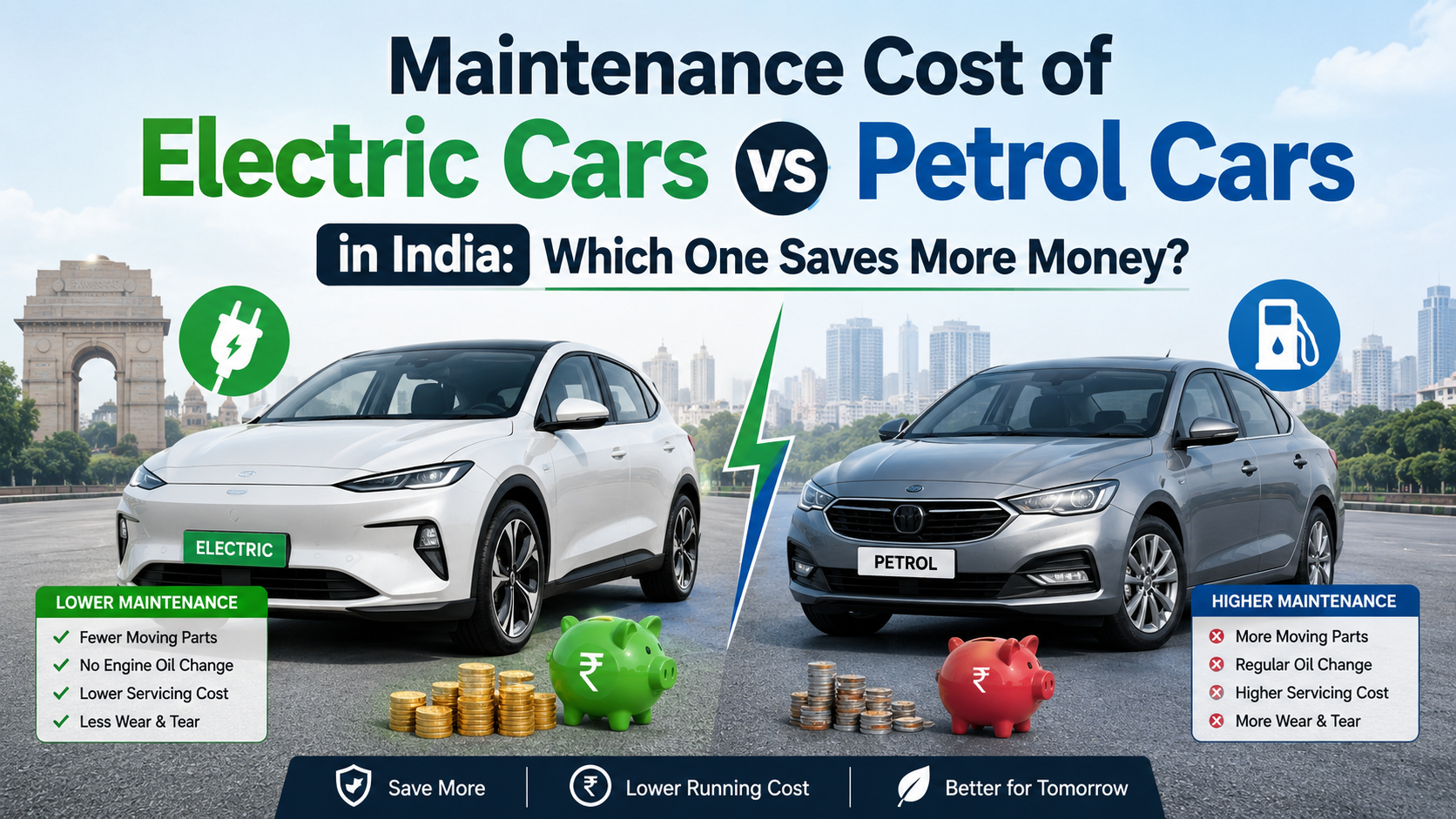
The automotive industry is rapidly moving toward full electric vehicles.
Many governments and manufacturers are investing heavily in EV infrastructure.
Some buyers worry that:
- Hybrid technology could become transitional
- Future regulations may favor EVs
- Market demand may shift toward pure electric vehicles
While hybrids remain relevant today, long-term technological uncertainty exists.
Pros and Cons of Hybrid Cars
Pros
- Excellent fuel efficiency
- Lower emissions
- Smooth driving experience
- Reduced fuel expenses
- Silent operation in traffic
- Better city-driving performance
- No charging infrastructure required
Cons
- Higher purchase price
- Expensive battery replacement
- Complex repairs
- Reduced boot space in some models
- Higher insurance costs
- Battery degradation concerns
- Limited model availability
- Resale uncertainty
Hybrid Cars vs Petrol Cars
| Feature | Hybrid Car | Petrol Car |
|---|---|---|
| Purchase Price | Higher | Lower |
| Fuel Efficiency | Better | Moderate |
| Maintenance Complexity | Higher | Lower |
| Repair Cost | Higher | Lower |
| Battery Replacement | Possible | Not Applicable |
| City Driving | Excellent | Good |
| Highway Driving | Good | Good |
| Resale Predictability | Moderate | Better |
Price Information in India (2026)
Popular hybrid vehicles currently available in India generally fall into these price ranges:
| Segment | Approximate Price |
|---|---|
| Hybrid Sedan | ₹20–22 Lakh |
| Hybrid SUV | ₹17–25 Lakh |
| Premium Hybrid SUV | ₹25–40 Lakh |
| Hybrid MPV | ₹25–35 Lakh |
Prices vary depending on location, variants, taxes, and optional features.
Who Should Buy a Hybrid Car?
Hybrid vehicles make the most sense for:
Ideal Buyers
- High-mileage users
- Daily city commuters
- Families seeking fuel savings
- Buyers planning long-term ownership
- Drivers who want efficiency without charging concerns
Buyers Who May Avoid Hybrids
- Low annual mileage users
- Budget-conscious buyers
- Rural owners with limited service access
- Buyers planning to sell within a few years
- Drivers primarily using highways
Expert Analysis
From an automotive journalist’s perspective, hybrid technology is one of the most practical solutions currently available in India.
The major advantage is achieving excellent fuel economy without depending on public charging infrastructure.
However, buyers should not focus solely on mileage figures. The higher purchase price, battery-related concerns, repair complexity, and uncertain long-term resale value are genuine factors that deserve consideration.
For drivers covering 15,000–20,000 km annually, hybrids can make financial sense. For low-mileage users, a modern petrol vehicle may offer a better cost-benefit ratio.
Frequently Asked Questions (FAQs)
1. What is the biggest disadvantage of a hybrid car?
The biggest disadvantage is the higher purchase price compared to equivalent petrol vehicles. Buyers often pay several lakh rupees extra upfront.
2. How long does a hybrid battery last?
Most modern hybrid batteries are designed to last 8–15 years depending on usage, climate, and maintenance.
3. Is hybrid maintenance expensive in India?
Routine maintenance is generally reasonable, but major repairs involving battery systems or electrical components can be expensive.
4. Are hybrid cars good for highway driving?
Yes, but their fuel-efficiency advantage is usually greater in city traffic than on highways.
5. Do hybrid cars require charging?
Conventional hybrids do not require external charging. The battery charges through regenerative braking and the engine.
6. Is buying a used hybrid car risky?
It depends on battery condition, service history, and remaining warranty coverage. A professional inspection is strongly recommended.
7. Are hybrid cars better than EVs?
Both have advantages. Hybrids offer fuel efficiency without charging dependence, while EVs provide zero tailpipe emissions and lower running costs.
Conclusion
Hybrid cars offer impressive fuel economy, lower emissions, and a refined driving experience, making them attractive for Indian buyers facing rising fuel costs. However, they are not without drawbacks.
The biggest negatives include a higher purchase price, expensive battery replacement, complex maintenance requirements, potential repair costs, reduced boot space in some models, and uncertainty regarding long-term resale value. Additionally, buyers who drive only a few thousand kilometers annually may struggle to recover the additional investment through fuel savings.
Before purchasing a hybrid vehicle, calculate your annual driving distance, compare ownership costs, and evaluate how long you plan to keep the car. For high-mileage city users, a hybrid can be an excellent investment. For low-mileage drivers, a fuel-efficient petrol vehicle may still be the smarter financial choice.
Ultimately, the best car is not the one with the highest mileage figure—it is the one that fits your driving habits, budget, and long-term ownership goals.