EV Charging Cost in India
Introduction
Electric vehicles (EVs) are becoming increasingly popular in India due to rising fuel prices, government incentives, and growing environmental awareness. While many buyers understand that electric cars are cheaper to run than petrol or diesel vehicles, one of the most common questions remains: How much does EV charging cost in India?
The answer depends on several factors, including electricity tariffs, battery size, charging method, charging location, and the type of vehicle. Whether you own an electric car, electric scooter, or electric SUV, understanding charging costs can help you estimate your monthly expenses and determine the real savings compared to conventional vehicles.
In this comprehensive guide, we explain EV charging costs in India, compare home charging and public charging expenses, and provide practical examples to help Indian buyers make informed decisions.
EV Charging Cost in India: Quick Summary
| Factor | Estimated Cost |
|---|---|
| Home Charging Cost | ₹6–₹12 per kWh |
| Public AC Charging | ₹8–₹18 per kWh |
| Public DC Fast Charging | ₹15–₹30 per kWh |
| EV Running Cost | ₹0.80–₹2.50 per km |
| Petrol Car Running Cost | ₹6–₹10 per km |
| Monthly EV Charging Cost (1,000 km) | ₹800–₹2,500 |
| Typical Full Charge Cost | ₹120–₹900 |
What Determines EV Charging Cost in India?
Several factors influence the amount you pay to charge an electric vehicle.
Electricity Tariff
Electricity rates vary across states and cities. Residential electricity tariffs generally range between ₹6 and ₹12 per unit (kWh).
For example:
- Maharashtra: ₹8–₹12 per kWh
- Gujarat: ₹6–₹9 per kWh
- Karnataka: ₹7–₹10 per kWh
- Delhi: ₹6–₹9 per kWh
The lower your electricity rate, the cheaper your charging cost.
Battery Capacity
A larger battery requires more electricity to charge.
Examples:
| Vehicle | Battery Size |
|---|---|
| Electric Scooter | 2–4 kWh |
| Tata Tiago EV | 19.2–24 kWh |
| Tata Nexon EV | 30–45 kWh |
| MG ZS EV | 50.3 kWh |
| Hyundai Creta Electric | Around 50 kWh |
| Premium EV SUVs | 70–100 kWh |
Larger batteries increase charging costs but also provide longer driving range.
Charging Method
Charging costs differ depending on where and how you charge.
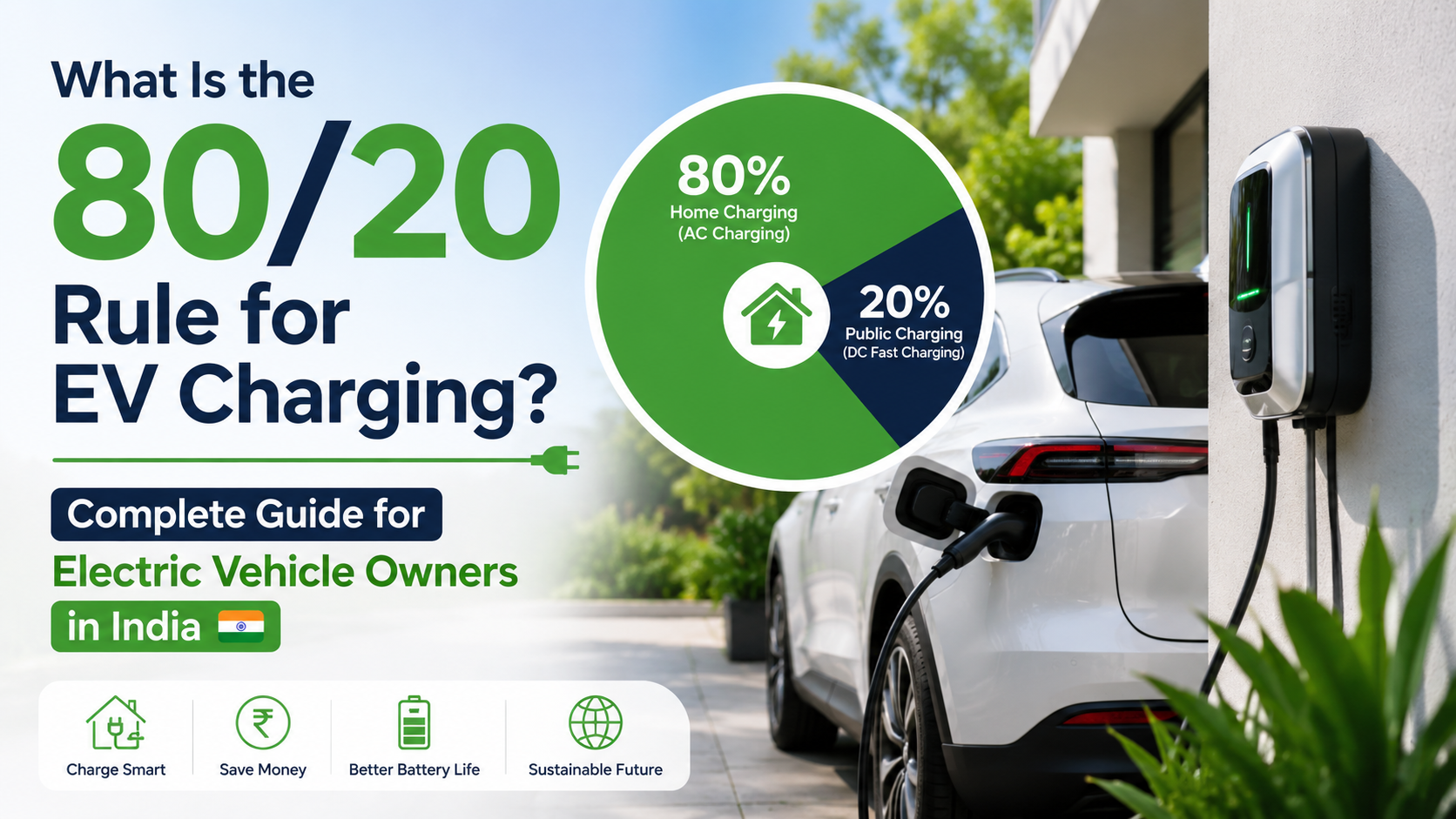
- Home charging is usually cheapest.
- Public AC chargers cost more.
- DC fast chargers are the most expensive but significantly faster.
Home EV Charging Cost in India
Most EV owners charge their vehicles at home because it is convenient and affordable.
Formula
Charging Cost = Battery Capacity × Electricity Rate
Example 1: Tata Tiago EV
Battery Capacity: 24 kWh
Electricity Rate: ₹8 per kWh
Charging Cost = 24 × 8
Total Cost = ₹192
A full charge costs approximately ₹192.
Example 2: Tata Nexon EV
Battery Capacity: 40.5 kWh
Electricity Rate: ₹8 per kWh
Charging Cost = ₹324
A complete charge costs around ₹324.
Example 3: Electric Scooter
Battery Capacity: 3 kWh
Electricity Rate: ₹8 per kWh
Charging Cost = ₹24
A full scooter charge may cost less than a cup of tea.
EV Running Cost Per Kilometer
This is where EVs offer significant savings.
Tata Tiago EV Example
Battery: 24 kWh
Range: 315 km
Cost per Charge: ₹192
Running Cost:
₹192 ÷ 315 = ₹0.61 per km
Tata Nexon EV Example
Battery: 40.5 kWh
Range: 465 km
Cost per Charge: ₹324
Running Cost:
₹324 ÷ 465 = ₹0.70 per km
Petrol Car Comparison
Petrol Price: ₹100 per litre
Mileage: 15 km/l
Running Cost:
₹100 ÷ 15 = ₹6.67 per km
The EV can be nearly 80–90% cheaper to run.
Public EV Charging Cost in India
Public charging stations are becoming more common across highways, cities, malls, office complexes, and commercial areas.
Public charging costs are generally higher than home charging because operators include infrastructure and maintenance expenses.
Public AC Charging
Typical Cost:
₹8–₹18 per kWh
Suitable for:
- Long parking durations
- Shopping malls
- Office parking
- Apartment complexes
Public DC Fast Charging
Typical Cost:
₹15–₹30 per kWh
Suitable for:
- Highway travel
- Quick top-ups
- Long-distance journeys
Fast chargers can charge most EVs from 20% to 80% in less than one hour.
Example: Fast Charging Cost
Assume a 40 kWh battery.
Charging Rate:
₹22 per kWh
Charging Cost:
40 × 22 = ₹880
Compared to home charging at ₹8 per kWh:
40 × 8 = ₹320
Fast charging can cost almost three times more.
Monthly EV Charging Cost in India
Let’s estimate monthly charging expenses.
Driving 1,000 km Per Month
EV Running Cost:
₹1 per km
Monthly Cost:
₹1,000
Driving 1,500 km Per Month
EV Running Cost:
₹1 per km
Monthly Cost:
₹1,500
Petrol Vehicle Comparison
Running Cost:
₹7 per km
For 1,500 km:
₹10,500
Monthly savings can exceed ₹9,000.
EV Charging Cost by Vehicle Type
Electric Scooters
Popular Models:
- Ola S1
- Ather Rizta
- TVS iQube
- Bajaj Chetak
Battery Size:
2–5 kWh
Full Charge Cost:
₹15–₹50
Running Cost:
₹0.15–₹0.40 per km
Electric Hatchbacks
Popular Models:
- Tata Tiago EV
- MG Comet EV
Battery Size:
17–25 kWh
Full Charge Cost:
₹120–₹250
Running Cost:
₹0.60–₹1.20 per km
Electric SUVs
Popular Models:
- Tata Nexon EV
- Mahindra BE Series
- MG ZS EV
- Hyundai Creta Electric
Battery Size:
35–60 kWh
Full Charge Cost:
₹250–₹700
Running Cost:
₹0.80–₹2.00 per km
Key Features of EV Charging
Affordable Running Cost
Electricity is significantly cheaper than petrol or diesel.
Home Charging Convenience
Charge overnight and start each day with a full battery.
Growing Charging Infrastructure
India’s charging network is expanding rapidly.
Reduced Maintenance
EVs have fewer moving parts than ICE vehicles.
Environment-Friendly Mobility
Zero tailpipe emissions contribute to cleaner air.
Pros and Cons of EV Charging
Pros
- Lower running cost
- Reduced fuel dependency
- Convenient home charging
- Lower maintenance expenses
- Government support and incentives
- Environment-friendly transportation
Cons
- Public fast charging is expensive
- Charging infrastructure still developing in some areas
- Charging takes longer than fuel refilling
- Apartment charging setup can be challenging
- Higher electricity usage at home
Home Charging vs Public Charging
| Parameter | Home Charging | Public Charging |
|---|---|---|
| Cost | Lower | Higher |
| Convenience | Excellent | Depends on availability |
| Charging Speed | Slow to Moderate | Fast |
| Best For | Daily use | Long trips |
| Electricity Rate | ₹6–₹12/kWh | ₹8–₹30/kWh |
For most users, home charging remains the most economical option.
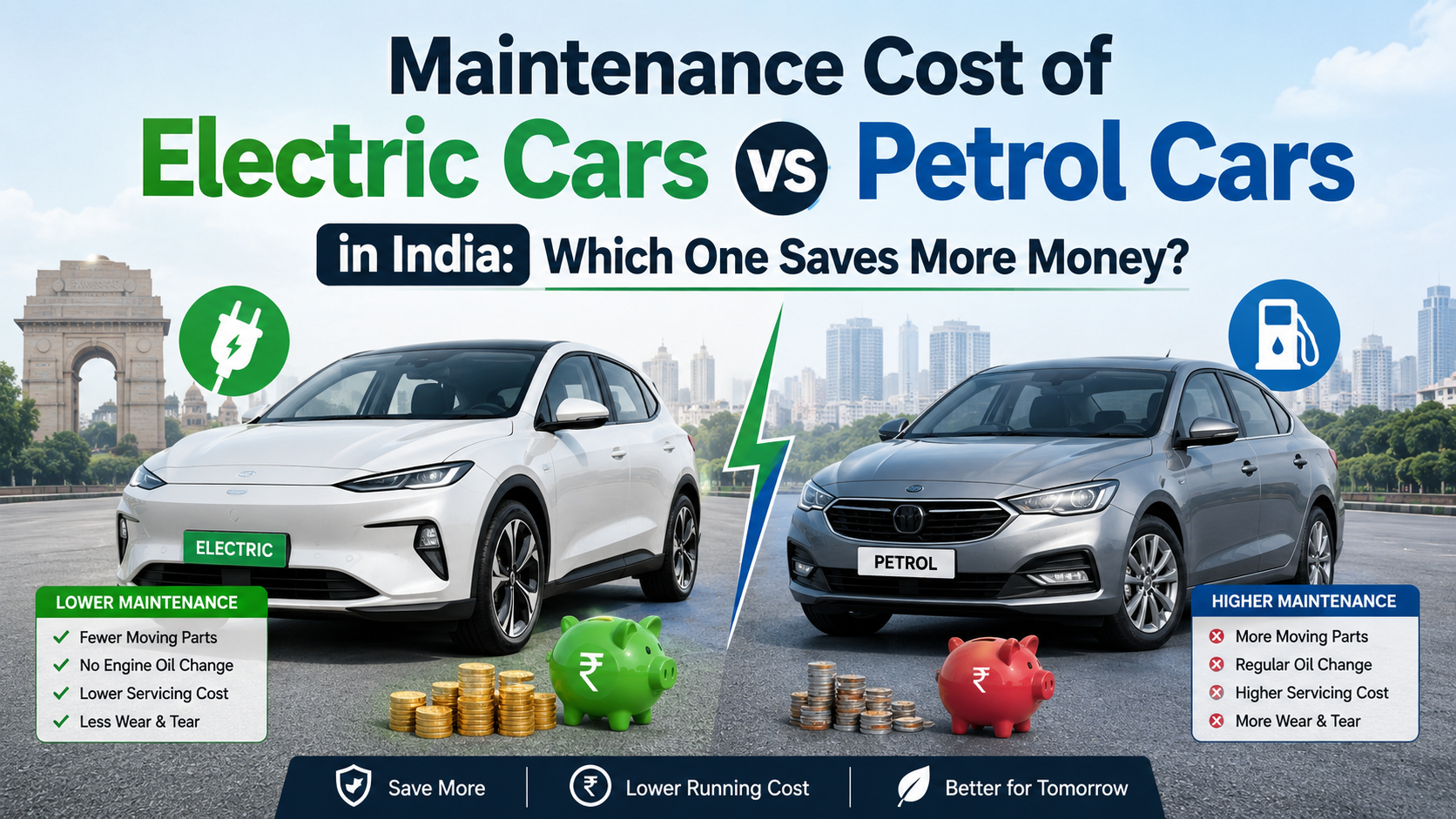
EV Charging Cost vs Petrol Cost
| Parameter | Electric Vehicle | Petrol Vehicle |
|---|---|---|
| Cost Per km | ₹0.80–₹2.50 | ₹6–₹10 |
| Monthly Fuel Cost (1,000 km) | ₹800–₹2,500 | ₹6,000–₹10,000 |
| Maintenance | Lower | Higher |
| Energy Source | Electricity | Petrol |
The long-term savings strongly favor electric vehicles.
Expert Analysis: Is EV Charging Really Cheap?
From an automotive journalist’s perspective, EV charging is one of the biggest reasons buyers are shifting toward electric mobility.
For urban users who can charge at home, operating costs are dramatically lower than petrol or diesel vehicles. A typical family driving 1,000–1,500 km per month can save tens of thousands of rupees annually.
However, buyers who frequently depend on public DC fast charging may not experience the same level of savings. Fast charging remains convenient but is substantially more expensive than residential charging.
The ideal ownership experience comes from combining home charging for daily driving with occasional fast charging during road trips.
Who Should Buy an EV?
Electric vehicles are best suited for:
City Commuters
Daily office travel becomes significantly cheaper.
Families with Dedicated Parking
Home charging is easiest when private parking is available.
High-Mileage Drivers
People driving over 1,000 km monthly benefit the most.
Environment-Conscious Buyers
EVs help reduce emissions and fuel consumption.
Fleet Operators
Commercial operators can achieve substantial savings over time.
Frequently Asked Questions (FAQs)
1. How much does it cost to fully charge an EV in India?
Most electric cars cost between ₹150 and ₹700 for a full home charge depending on battery size and local electricity rates.
2. Is charging an EV cheaper than petrol?
Yes. EV running costs are typically ₹0.80–₹2.50 per km compared to ₹6–₹10 per km for petrol cars.
3. How much does public fast charging cost?
Public DC fast charging generally costs between ₹15 and ₹30 per kWh.
4. Does EV charging increase household electricity bills significantly?
It increases electricity consumption, but the overall cost is usually much lower than monthly petrol expenses.
5. What is the average monthly charging cost for an EV?
For 1,000 km of driving, most owners spend between ₹800 and ₹2,500 per month.
6. Can I charge an EV using a normal home socket?
Yes. Most EVs support charging through a standard home connection, although charging is slower.
7. Which is cheaper: home charging or public charging?
Home charging is almost always cheaper and should be the primary charging method whenever possible.
Conclusion
EV charging costs in India remain one of the strongest advantages of electric vehicle ownership. Depending on electricity tariffs and vehicle efficiency, most EVs cost between ₹0.80 and ₹2.50 per kilometre to operate, making them significantly cheaper than petrol or diesel alternatives.
Home charging offers the lowest operating cost and maximum convenience, while public fast charging provides flexibility for long-distance travel. For most Indian buyers, especially city commuters and high-mileage drivers, the savings generated through lower charging costs can offset the higher initial purchase price of an EV over time.
As India’s charging infrastructure continues to expand and battery technology improves, electric vehicles are becoming increasingly practical, economical, and attractive for everyday transportation. Buyers looking to reduce fuel expenses and embrace future-ready mobility will find EVs to be a compelling choice in 2026 and beyond.