EV CARS BATTERY LIFE EXPLAINED
Electric vehicles (EVs) are becoming increasingly popular in India due to rising fuel prices, lower running costs, and growing environmental awareness. However, one question still worries many buyers before purchasing an electric car:
“How long does an EV battery last?”
Since the battery is the most expensive component of an electric vehicle, understanding its lifespan is essential. Many people assume EV batteries need replacement after a few years, but modern battery technology has improved significantly.
In this detailed guide, we explain EV battery life, degradation, charging habits, replacement costs, warranty coverage, and practical tips to maximize battery lifespan.
Quick Summary Table
| Factor | Details |
|---|---|
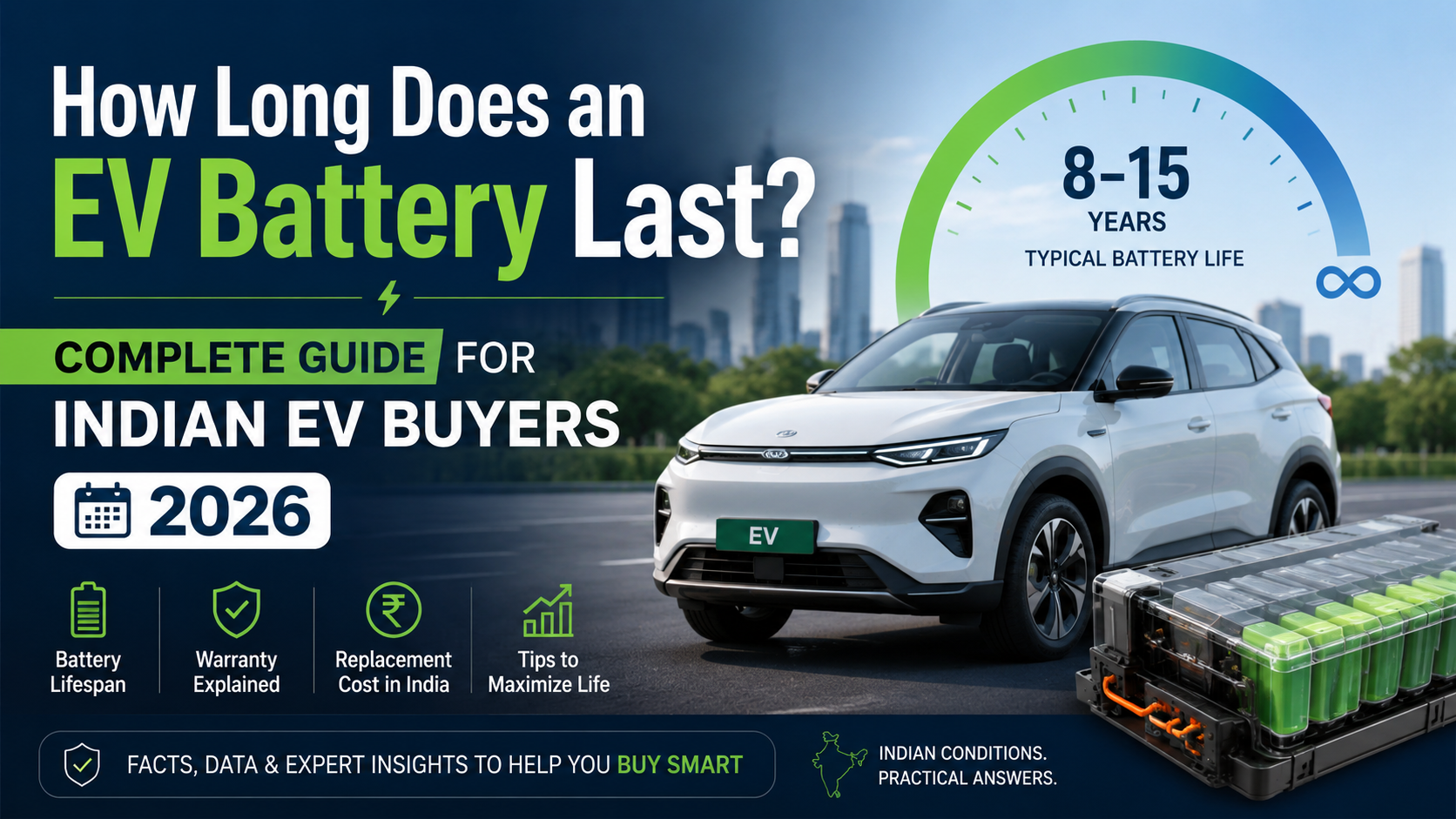
| Average EV Battery Life | 8–15 years |
| Typical Battery Warranty | 8 years or 1.6 lakh km |
| Annual Battery Degradation | 1%–3% (average) |
| Best Charging Range | 20%–80% |
| Fast Charging Impact | Safe occasionally, excessive use may increase degradation |
| Battery Replacement Cost | ₹3 lakh to ₹15 lakh+ depending on vehicle |
| Common Battery Type | Lithium-Ion |
| Expected Capacity After 8 Years | 70%–90% |
What Is an EV Battery?
An EV battery is a large rechargeable energy storage system that powers the electric motor.
Unlike conventional cars that rely on petrol or diesel engines, electric cars use battery packs made up of hundreds or thousands of lithium-ion cells.
These batteries store electricity and supply power to the motor whenever the vehicle is driven.
Key Features of Modern EV Batteries
- High energy density
- Long service life
- Fast charging capability
- Low maintenance
- Regenerative braking support
- Advanced thermal management systems
- Smart battery monitoring software
How Long Does an EV Battery Last?
The average lifespan of a modern EV battery is between 8 and 15 years.
Most manufacturers design EV batteries to survive thousands of charging cycles before significant degradation occurs.
For an average Indian driver covering 12,000–15,000 km annually, a quality EV battery can comfortably last more than a decade.
Typical Lifespan by Usage
| Usage Type | Expected Battery Life |
|---|---|
| Light Usage | 12–15 years |
| Moderate Usage | 10–12 years |
| Heavy Usage | 8–10 years |
| Commercial Fleet Usage | 6–8 years |
Battery life depends on:
- Charging habits
- Driving style
- Climate conditions
- Battery chemistry
- Maintenance practices
Understanding Battery Degradation
Battery degradation refers to the gradual reduction in battery capacity over time.
As batteries age, they can no longer store the same amount of energy they did when new.
For example:
- New battery capacity: 100%
- After 5 years: 92%
- After 8 years: 85%
- After 12 years: 75%
This means the car can still function normally, but driving range may reduce.
Why Do EV Batteries Degrade?
Several factors contribute to battery aging:
Frequent Fast Charging
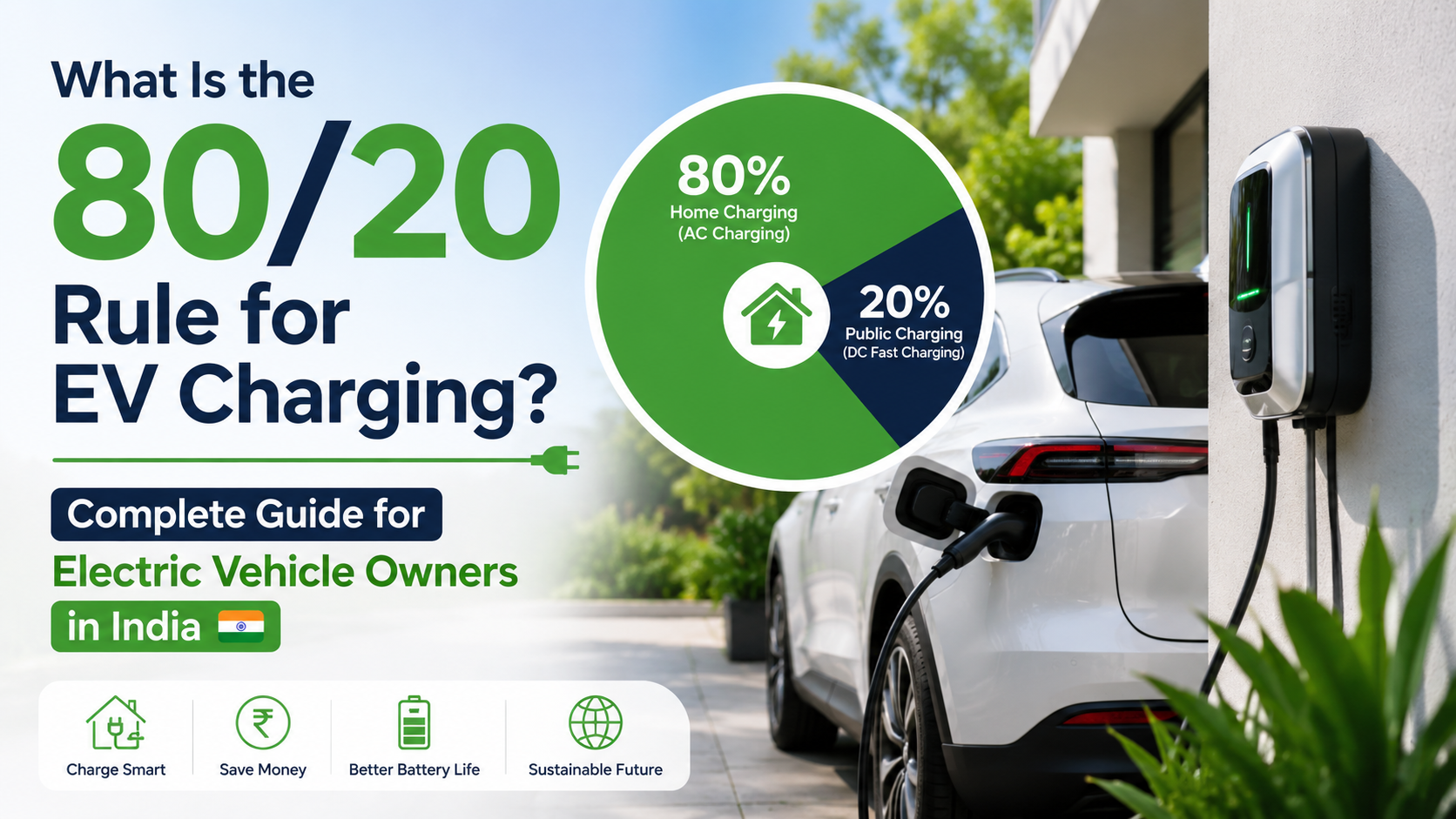
DC fast charging generates more heat than normal AC charging.
While occasional fast charging is perfectly safe, excessive dependence on it may accelerate battery wear over many years.
Extreme Temperatures
Heat is one of the biggest enemies of lithium-ion batteries.
Indian summers can expose batteries to temperatures above 40°C, which may increase degradation if thermal management systems are inadequate.
Constant Full Charging
Keeping the battery at 100% for extended periods can stress battery cells.
Deep Discharging
Frequently driving until the battery reaches 0% can also reduce long-term battery health.
EV Battery Warranty Explained
One major reason consumers can confidently buy EVs today is manufacturer warranty coverage.
Most EV makers provide extensive battery warranties.
Common Battery Warranty Coverage
| Manufacturer Category | Typical Warranty |
|---|---|
| Budget EVs | 8 years / 1.6 lakh km |
| Premium EVs | 8 years or more |
| Luxury EVs | 8–10 years |
Many manufacturers also guarantee a minimum battery health level during the warranty period.
For example, if battery capacity falls below a specified percentage, repairs or replacement may be covered.
Battery Life of Popular EVs in India
Tata EVs
Popular models such as the Tata Nexon EV and Tata Punch EV use advanced lithium-ion battery packs designed for long-term reliability.
Expected battery life:
- 8–15 years
- Battery warranty typically around 8 years
MG EVs
MG electric vehicles offer robust battery management systems that help reduce degradation.
Expected lifespan:
- 10–15 years
Mahindra EVs
Modern Mahindra electric SUVs use advanced battery technology with thermal management systems for improved durability.
Expected lifespan:
- 10–15 years
Luxury EV Brands
Premium manufacturers often use sophisticated cooling systems and software optimization.
Expected battery lifespan:
- 12–15 years or more
Factors That Affect EV Battery Life
1. Charging Habits
The way you charge your EV significantly impacts battery health.
Recommended Practice
- Charge between 20% and 80%
- Use slow charging whenever possible
- Avoid keeping battery fully charged for days
2. Climate Conditions
India’s weather varies greatly.
High temperatures accelerate chemical aging inside battery cells.
Drivers in extremely hot regions should:
- Park in shade
- Use covered parking
- Avoid prolonged exposure to direct sunlight
3. Driving Style
Aggressive acceleration and high-speed driving increase battery stress.
Smooth driving helps preserve battery health while improving range.
4. Battery Cooling System
Modern EVs include thermal management systems.
These systems:
- Control battery temperature
- Improve charging efficiency
- Extend battery life
Vehicles with liquid cooling generally perform better in hot climates.
EV Battery Specifications Explained
Battery Capacity
Measured in kilowatt-hours (kWh).
Examples:
| Battery Size | Typical Range |
|---|---|
| 20–30 kWh | 150–250 km |
| 30–40 kWh | 250–350 km |
| 40–60 kWh | 350–500 km |
| 60+ kWh | 500 km+ |
Larger batteries usually experience slower degradation because charging cycles are spread across more cells.
Charging Cycles
A charging cycle means using 100% of battery capacity.
Example:
- 50% charge used today
- 50% used tomorrow
Together equal one full cycle.
Most modern lithium-ion batteries can handle:
1,500–3,000+ charging cycles
before major degradation occurs.
EV Battery Replacement Cost in India
One of the biggest concerns among buyers is replacement cost.
Battery replacement remains expensive because batteries contain advanced materials and sophisticated electronics.
Estimated Replacement Cost
| Vehicle Segment | Approximate Cost |
|---|---|
| Small EV | ₹3–5 lakh |
| Mid-Size EV | ₹5–8 lakh |
| Premium EV | ₹8–15 lakh |
| Luxury EV | ₹15 lakh+ |
However, battery prices continue to decline globally, making future replacements more affordable.
The good news is that most owners are unlikely to need battery replacement during their normal ownership period.
How to Increase EV Battery Life
Following simple practices can significantly improve battery longevity.
Charge Smartly
- Keep charge between 20% and 80%
- Avoid unnecessary full charges
- Prefer home charging
Limit Fast Charging
Fast charging is useful for travel but should not become the primary charging method.
Avoid Heat Exposure
- Park under shade
- Use covered parking
- Avoid charging immediately after aggressive driving
Keep Software Updated
Manufacturers regularly release updates that optimize battery performance and efficiency.
Drive Smoothly
Gentle acceleration and regenerative braking help reduce battery stress.
EV Battery Recycling and Second Life
What happens when an EV battery reaches the end of its automotive life?
Interestingly, it may still retain 70–80% capacity.
These batteries can be repurposed for:
- Home energy storage
- Solar backup systems
- Commercial power storage
- Grid support applications
Eventually, batteries are recycled to recover valuable materials such as:
- Lithium
- Nickel
- Cobalt
- Copper
- Aluminum
Battery recycling is expected to become a major industry in India over the coming decade.
Pros and Cons of EV Batteries
Pros
Long Lifespan
Modern batteries can last over a decade.
Low Maintenance
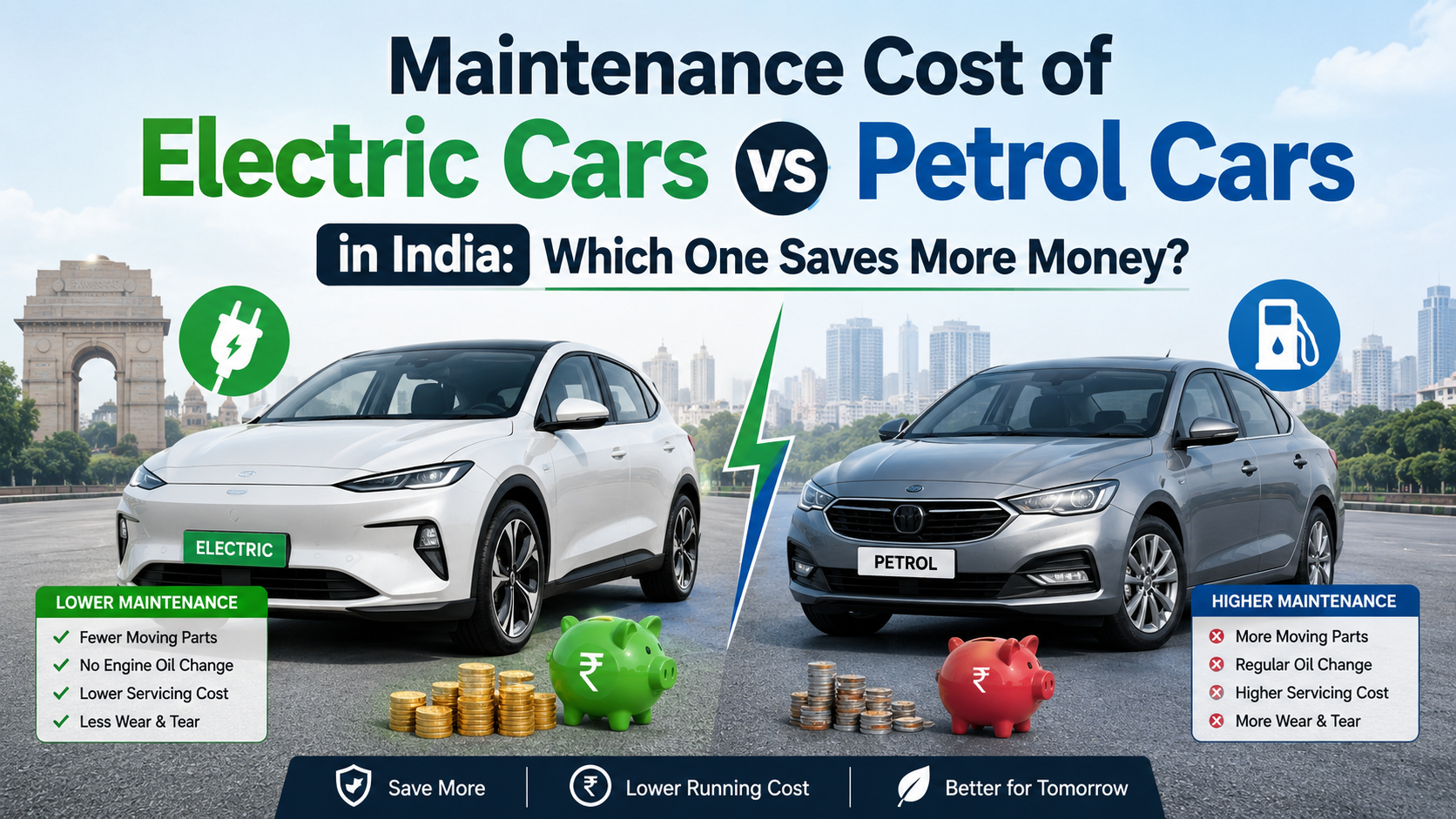
No engine oil changes or fuel system maintenance.
Improved Technology
Battery management systems continuously improve efficiency.
Warranty Protection
Most manufacturers provide extensive coverage.
Lower Running Cost
Electricity costs less than petrol or diesel fuel.
Cons
High Replacement Cost
Battery replacement remains expensive.
Gradual Degradation
Battery capacity reduces over time.
Temperature Sensitivity
Extreme heat can accelerate aging.
Charging Infrastructure Challenges
Public charging networks are still expanding in many regions.
EV Battery vs Petrol Engine Longevity
| Parameter | EV Battery | Petrol Engine |
|---|---|---|
| Average Life | 8–15 years | 10–15 years |
| Maintenance | Low | High |
| Major Repairs | Rare | More common |
| Running Cost | Low | High |
| Efficiency | Very High | Lower |
Many EV batteries now last almost as long as traditional engines, making battery lifespan less of a concern than it was a decade ago.
Who Should Buy an EV?
An electric car is a great choice for:
Daily City Commuters
Low running costs make EVs highly economical.
Families
Modern EVs provide adequate range and comfort for family use.
Environment-Conscious Buyers
Zero tailpipe emissions reduce pollution.
Fleet Operators
Lower operational expenses improve profitability.
Tech Enthusiasts
EVs offer advanced connectivity and driving technology.
Expert Analysis: Is Battery Life Still a Concern?
A few years ago, battery lifespan was one of the biggest concerns among EV buyers.
Today, the situation has changed significantly.
Most modern EV batteries are engineered to outlast the average ownership period. With proper charging habits and regular software updates, many batteries can retain over 80% capacity even after several years of use.
For Indian consumers, the focus should now shift from battery lifespan fears to evaluating range requirements, charging access, and overall ownership costs.
In practical terms, battery life is no longer a major obstacle for most EV buyers.
Frequently Asked Questions (FAQs)
1. How many years does an EV battery last?
Most modern EV batteries last between 8 and 15 years depending on usage, charging habits, and climate conditions.
2. Do EV batteries need replacement after 8 years?
Not necessarily. Many batteries continue performing well beyond 8 years and still retain substantial capacity.
3. What is the biggest cause of battery degradation?
Excessive heat, frequent fast charging, deep discharging, and keeping the battery at 100% charge for long periods are major causes.
4. Is it okay to charge an EV every day?
Yes. Daily charging is completely safe when done according to manufacturer recommendations.
5. How much does EV battery replacement cost in India?
Replacement costs typically range from ₹3 lakh to ₹15 lakh or more depending on the vehicle segment.
6. Can EV batteries be recycled?
Yes. Lithium-ion batteries can be recycled to recover valuable materials such as lithium, cobalt, nickel, and copper.
7. Does fast charging damage EV batteries?
Occasional fast charging is safe. However, relying exclusively on fast charging may contribute to faster battery degradation over many years.
8. What battery percentage is best for daily use?
Maintaining the battery between 20% and 80% is generally considered ideal for long-term battery health.
Conclusion
EV battery technology has advanced rapidly, making modern electric vehicles far more reliable than many people realize. Most EV batteries are designed to last between 8 and 15 years, with gradual and manageable capacity loss over time. Strong manufacturer warranties, improved thermal management systems, and smarter battery software have significantly reduced concerns about battery longevity.
For Indian buyers, the key to maximizing battery life is simple: avoid extreme charging habits, limit unnecessary fast charging, protect the vehicle from excessive heat, and follow manufacturer recommendations. While battery replacement costs remain high, the majority of owners are unlikely to need a replacement during their normal ownership period.
As EV adoption continues to grow and battery technology improves further, concerns about battery lifespan will become even less relevant. For most consumers, a modern electric car offers dependable battery performance, lower running costs, and a practical long-term ownership experience.