Discover the most awaited cars in India for 2027 including Tata Sierra EV, Hyundai Creta hybrid, Mahindra Scorpio N facelift, and more. Get prices, key features, comparisons, and buying advice for Indian buyers.
Introduction
The Indian automotive market is buzzing with excitement as we head into 2027. With rising demand for SUVs, electric vehicles (EVs), and efficient hybrids, several groundbreaking models are set to hit the roads. From iconic nameplates making electric debuts to established bestsellers getting major updates, these launches promise better performance, advanced safety, and value tailored to Indian conditions like bad roads, varying climates, and family needs.
Whether you’re a city commuter looking for an affordable EV or a family buyer wanting a spacious 7-seater, 2027 offers something for everyone. In this comprehensive guide, we cover the top most awaited cars, their expected features, real-world usability, and practical advice based on current trends and expert analysis.
Summary Table of Most Awaited Cars in 2027
| Car Model | Expected Launch | Segment | Expected Price (₹ Lakh) | Key Highlight |
|---|---|---|---|---|
| Tata Sierra EV | Mid-2027 | Mid-size SUV | 20-25 | Retro EV with strong range |
| Hyundai Creta (Next-Gen) | Early/Mid-2027 | Compact SUV | 12-22 | Hybrid option, premium features |
| Mahindra Scorpio N Facelift | Early 2027 | Rugged SUV | 13.5-20+ | Updated design & capability |
| Maruti Suzuki Fronx EV | March 2027 | Compact Crossover | ~12 | Affordable entry-level EV |
| Mahindra XUV 7XO (Facelift/Updated) | 2027 | Mid-size SUV | 15-25 | Refined flagship with new tech |
| Toyota Fortuner (New Gen) | Jan 2027 | Full-size SUV | 25-35 | Tough & reliable legend |
Note: Prices are estimated ex-showroom and subject to change. Actual specs may vary upon launch.
Tata Sierra EV: Revival of an Icon
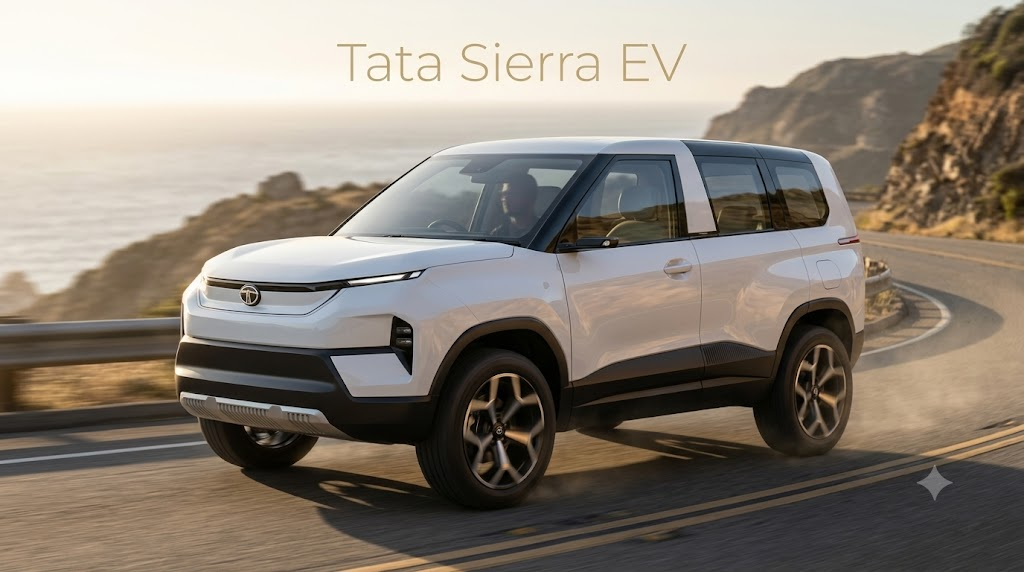
The Tata Sierra EV tops many wishlists as one of the most anticipated electric launches. Building on the successful ICE Sierra, this EV version brings modern electrification while retaining the rugged, go-anywhere appeal that made the original a legend.
Key Features:
- Expected dual battery options (around 55-65 kWh).
- RWD standard with optional AWD for better traction on Indian highways and light off-roading.
- Modern closed grille, split LED headlights, and full-width light bar.
- Spacious cabin with premium materials, large touchscreen infotainment, and connected car tech suited for Indian traffic and navigation.
Specifications (Expected):
- Range: 400-500+ km (real-world estimates).
- Fast charging: Significant portion in 20-30 minutes.
- Performance: Quick acceleration suitable for overtaking on expressways.
Pros and Cons:
- Pros: Strong brand trust from Tata, competitive pricing in the EV segment, practical for families, potential government incentives.
- Cons: Charging infrastructure still developing in smaller cities; higher variants could push prices up.
Price Information: Expected ₹20-25 lakh, making it accessible compared to some premium EVs.
Comparison with Competitors: It slots between Tata Curvv EV and Harrier EV, offering more presence than the Curvv while being more affordable than larger rivals. Against Mahindra BE 6 or XEV 9e, the Sierra EV could stand out with its heritage styling and potential AWD.
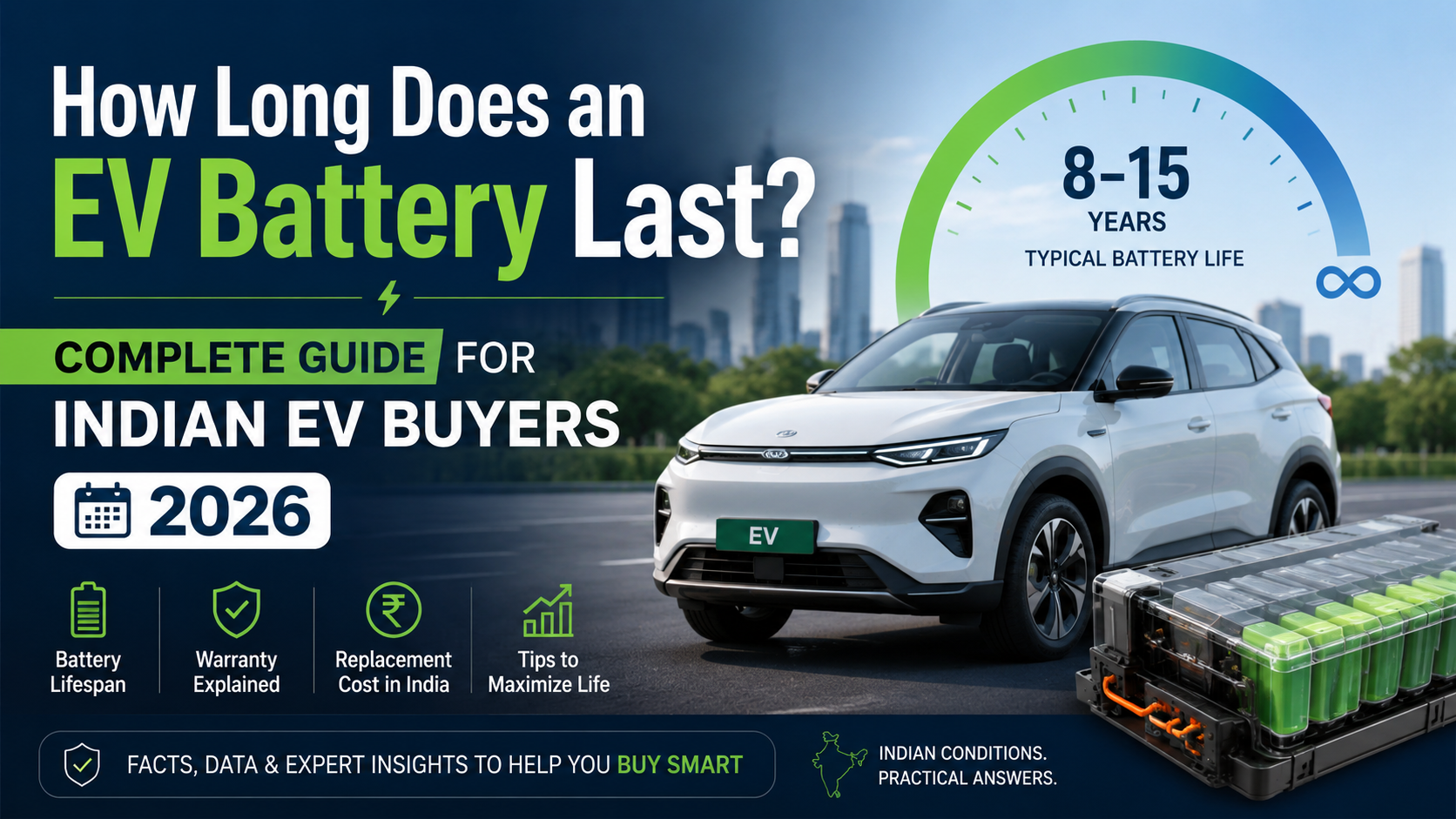
Who Should Buy It? Adventure enthusiasts, young families, and early EV adopters in metros or Tier-1 cities with home charging access. Ideal if you drive 200-300 km weekly and want style with substance.
Hyundai Creta 2027: The Compact SUV King Gets a Hybrid Boost
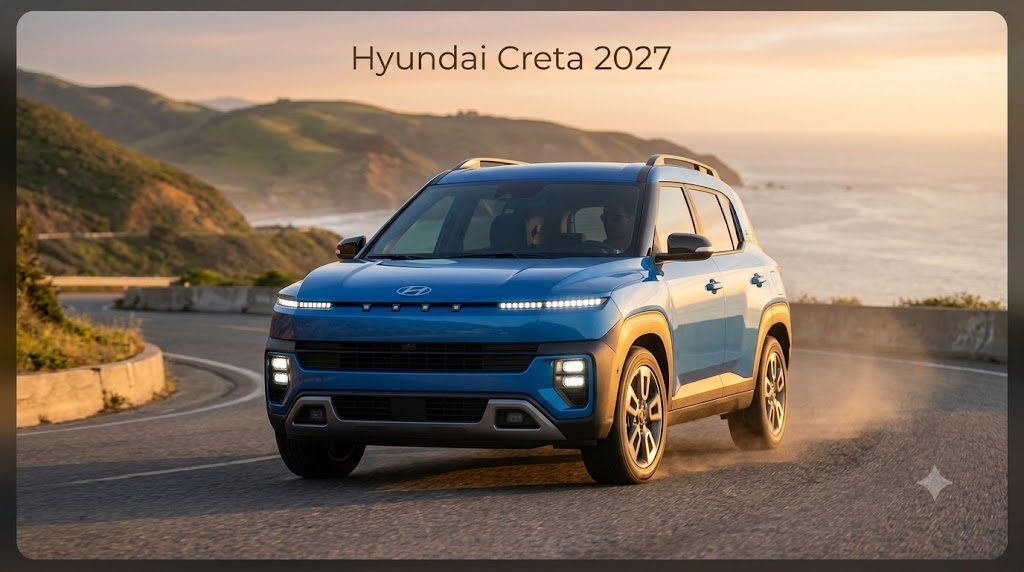
The Creta has been a segment dominator, and its next-generation or major update in 2027 is highly awaited. Expect a shift to a new platform with hybrid tech for better efficiency.
Key Features:
- Larger dimensions, premium interior with bigger curved displays and improved materials.
- Strong hybrid powertrain option promising excellent mileage.
- Advanced ADAS Level 2, panoramic sunroof, ventilated seats, and boss mode rear seats for Indian family comfort.
Specifications (Expected):
- Engines: Existing petrol/diesel plus 1.5L hybrid.
- Mileage: Hybrid could deliver 20-25+ kmpl.
- Safety: Enhanced structure and multiple airbags.
Pros and Cons:
- Pros: Refined drive, feature-loaded, strong resale value, widespread service network.
- Cons: Might feel crowded in top trims pricing; competition from new entrants.
Price Information: Likely ₹12-22 lakh, keeping it competitive.
Comparison with Competitors: It will battle the Kia Seltos, Tata Curvv, and upcoming Nissan models. The hybrid variant could give it an edge in fuel costs over pure petrol rivals.
Who Should Buy It? Urban professionals and small families seeking a balanced, feature-rich daily driver with low running costs.
Mahindra Scorpio N Facelift: Ruggedness Redefined
Mahindra’s Scorpio N continues to impress with its bold design and off-road prowess. The facelift expected in early 2027 will bring fresh updates.
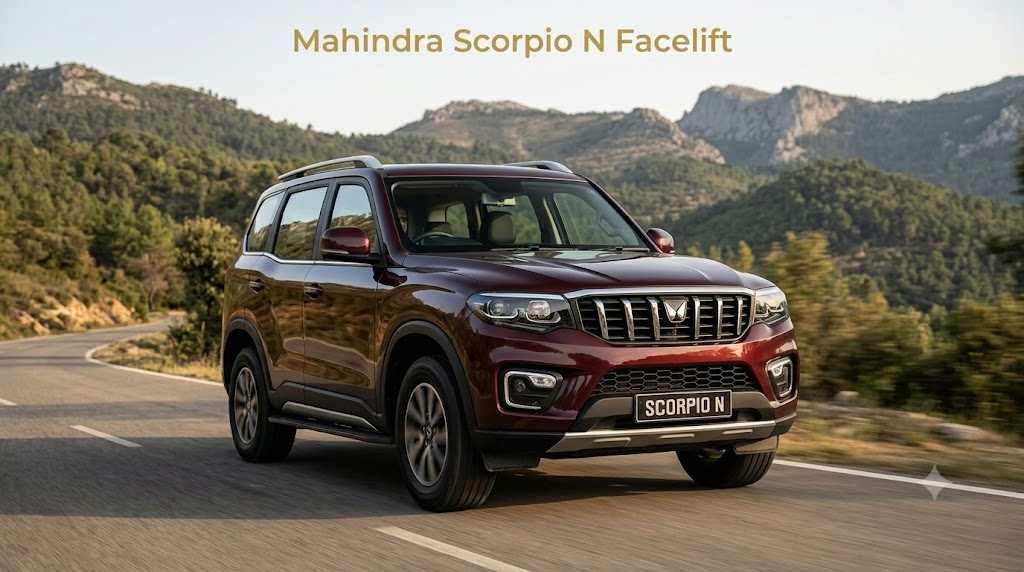
Key Features:
- Updated styling, new LED lighting, and enhanced interiors.
- Improved suspension for better ride quality on potholed roads.
- Advanced infotainment and safety tech.
Pros and Cons:
- Pros: Exceptional capability, commanding road presence, value for money.
- Cons: Thirsty engines compared to hybrids; heavier steering feel.
Price Information: Around ₹13.5 lakh starting.
Who Should Buy It? Buyers needing a tough, reliable SUV for mixed highway and rural use.
Maruti Suzuki Fronx EV: Affordable Electric Entry
Maruti’s push into EVs includes the Fronx EV, perfect for budget-conscious buyers.
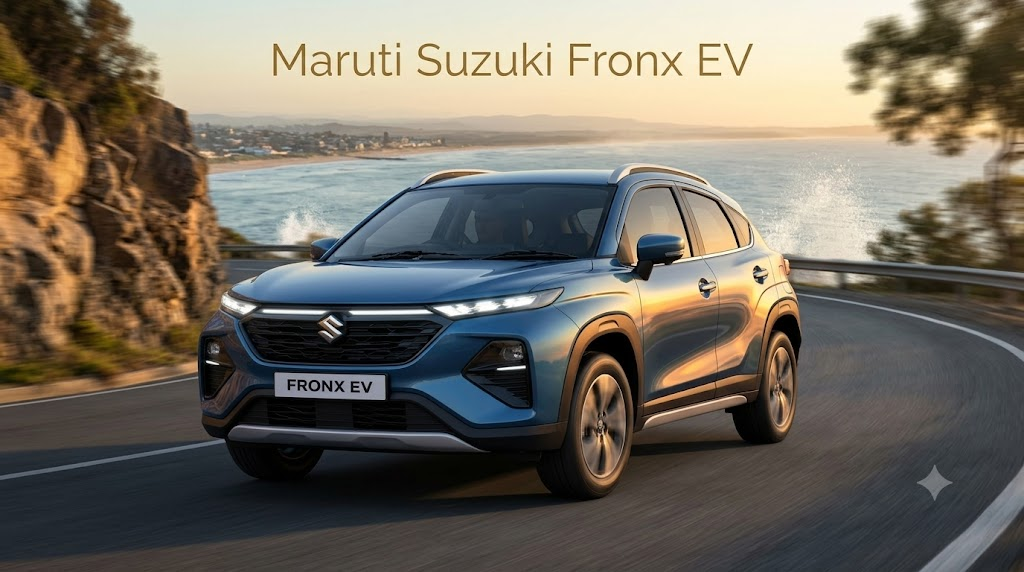
Key Features & Specs:
- Compact size ideal for city parking.
- Expected 300+ km range.
- Maruti’s vast service network for peace of mind.
Pros: Low ownership cost, reliable brand. Cons: Limited range for long trips.
Who Should Buy It? First-time EV buyers and city commuters.
Other Notable Mentions
- Mahindra XUV 7XO: Refined version of the popular flagship with updated tech.
- Toyota Fortuner: New generation maintaining its legendary status.
- Potential entries from Renault, Nissan, and luxury brands like Genesis or Tesla imports (though local manufacturing plans vary).
Expert Analysis and Practical Recommendations
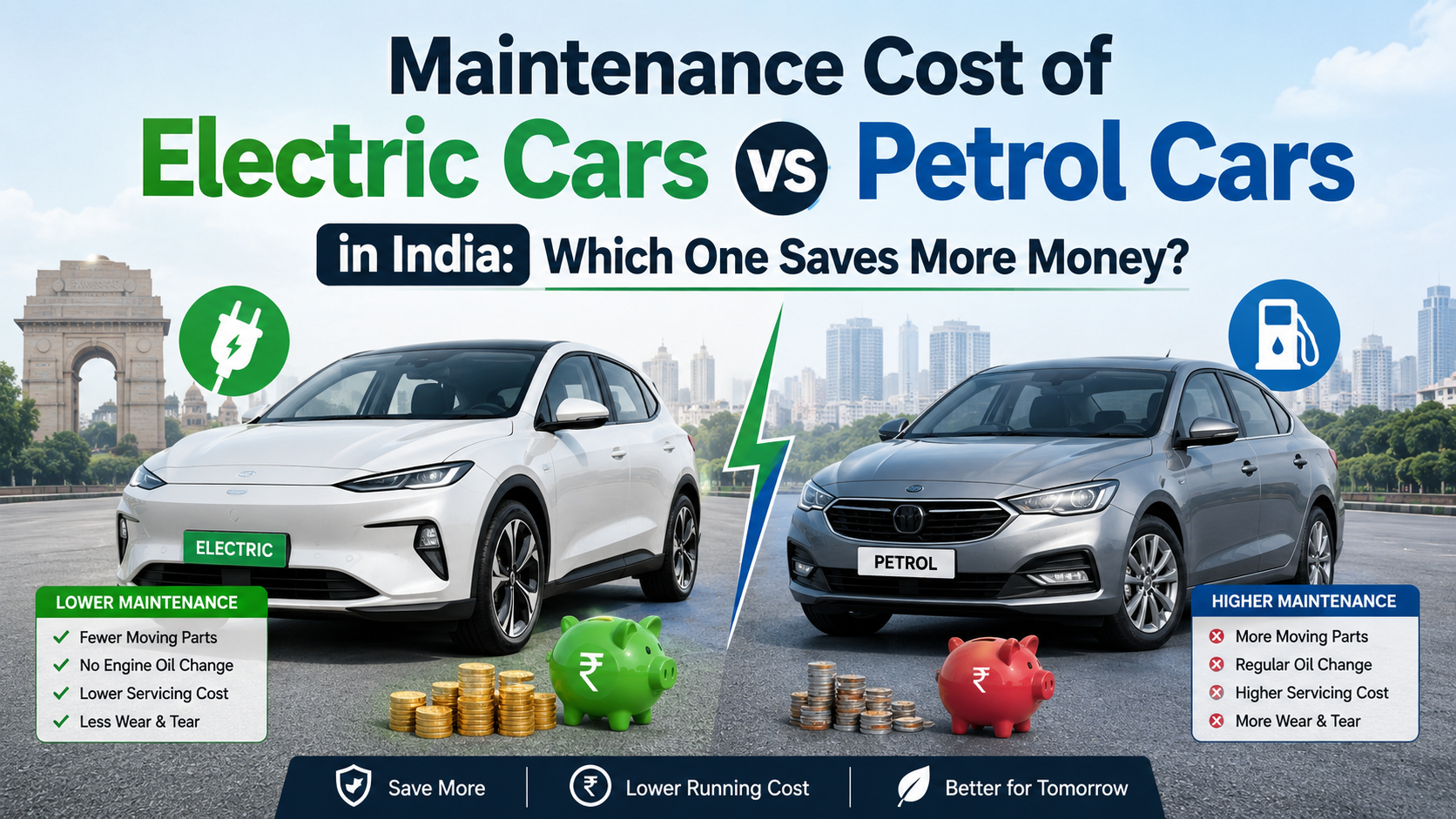
In 2027, the shift towards electrification and hybridization is clear. For Indian buyers, prioritize real-world range, service availability, and total cost of ownership over headline specs. Test drive multiple options, check charging access in your area, and consider government subsidies or state EV policies.
Recommendations:
- Budget under ₹15 lakh: Fronx EV or base compact SUVs.
- Family hauler: Creta or XUV 7XO.
- Adventure: Sierra EV or Scorpio N.
- Always verify latest BS7 norms compliance and safety ratings (Bharat NCAP).
Focus on vehicles with strong after-sales support, as Indian roads demand durability.
Frequently Asked Questions (FAQs)
1. Which is the most awaited car in India 2027?
The Tata Sierra EV and next-gen Hyundai Creta are among the top contenders due to their brand appeal, innovation, and market fit.
2. Will 2027 cars be more expensive due to new norms?
Prices may see moderate increases, but competition and localization should keep them reasonable. Hybrids and EVs could benefit from incentives.
3. Are these cars suitable for Indian roads?
Yes—most will feature higher ground clearance, robust suspensions, and AC tuned for hot climates. Always check specific variant details.
4. When is the best time to buy in 2027?
Early in the year for launch offers, or wait for festive discounts. Monitor reviews for real-user feedback.
5. How do EVs compare to petrol/diesel in running costs?
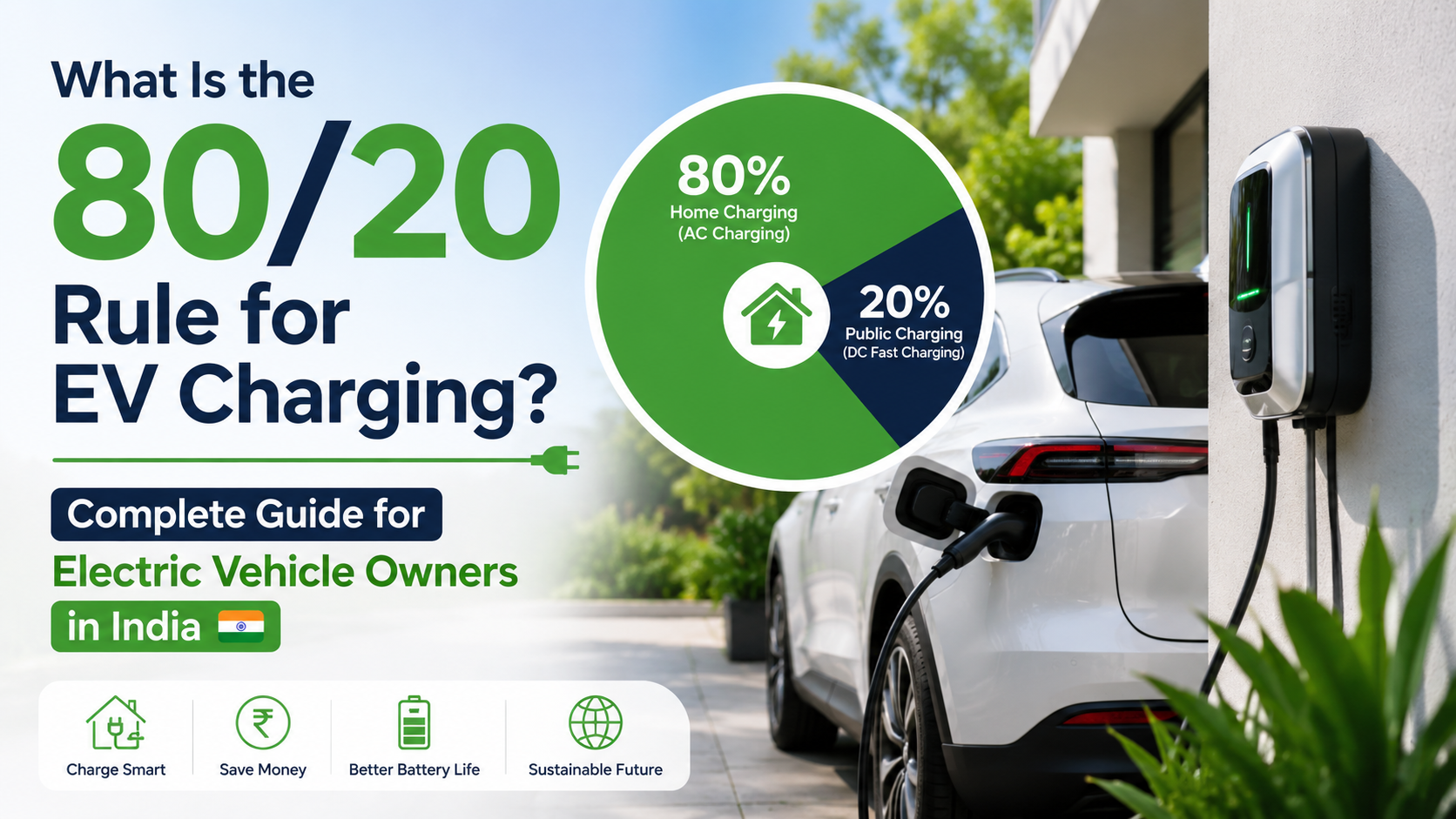
EVs offer significantly lower running costs (₹1-2/km vs ₹8-12/km for ICE), but factor in battery longevity and charging time.
6. What about safety in these new models?
Expect 5-star ratings in many cases with standard ADAS and multiple airbags. Prioritize models with proven crash test results.
Conclusion
2027 promises to be a transformative year for the Indian auto industry, with the most awaited cars blending innovation, practicality, and affordability. From the exciting Tata Sierra EV to the refined Hyundai Creta and rugged Mahindra offerings, buyers have diverse, high-value choices. Do thorough research, consider your driving patterns and budget, and visit showrooms when launches near. These vehicles not only represent technological progress but also smarter mobility for Indian families and enthusiasts. Stay updated, drive safe, and choose wisely for years of reliable performance.