Tesla is finally preparing for a serious entry into the Indian automotive market, and the excitement among EV enthusiasts is higher than ever. For years, Indian buyers have followed Tesla’s global success stories, innovative technology, impressive driving range, and advanced autonomous features. Now, as Tesla moves closer to launching its products in India, many questions remain unanswered.
What will Tesla cars actually cost in India? How much does charging cost compared to petrol and diesel cars? Is owning a Tesla practical in Indian conditions? And most importantly, is Tesla worth buying over existing premium electric vehicles already available in the country?
In this detailed guide, we explain Tesla India’s expected pricing, charging expenses, ownership experience, running costs, features, and whether a Tesla makes sense for Indian buyers in 2026.
Tesla India 2026: Quick Summary
| Parameter | Details |
|---|---|
| Brand | Tesla |
| Expected Launch | 2026 |
| First Model Expected | Tesla Model 3 |
| Estimated Starting Price | ₹35 lakh–₹50 lakh |
| Powertrain | Fully Electric |
| Driving Range | 450–600 km |
| Charging Cost per Full Charge | ₹500–₹1,200 |
| Estimated Cost per km | ₹1–₹2 |
| Rivals | BYD Seal, BMW i4, Hyundai Ioniq 5, Kia EV6 |
| Ownership Category | Premium EV |
Why Tesla’s India Entry Matters
Tesla is not just another electric vehicle manufacturer. The company transformed the global EV industry by making electric cars desirable, fast, technologically advanced, and practical for everyday use.
Tesla’s arrival in India could:
- Accelerate EV adoption
- Improve charging infrastructure
- Increase competition among EV manufacturers
- Encourage local EV manufacturing
- Push innovation in software-driven vehicles
For Indian consumers, Tesla represents a completely different ownership experience compared to traditional car brands.
Expected Tesla Models for India
Tesla Model 3
The Tesla Model 3 is widely expected to be the first Tesla vehicle launched in India.
Key Highlights
- Sedan body style
- Premium cabin
- Long driving range
- Advanced infotainment system
- Fast acceleration
- OTA software updates
Expected Specifications
| Specification | Expected Figure |
|---|---|
| Battery Capacity | 60–75 kWh |
| Range | 500–600 km |
| Power Output | 280–450 hp |
| Drive Type | RWD / AWD |
| 0-100 km/h | 4–6 seconds |
| Top Speed | 200+ km/h |
Tesla Model Y
The Model Y could follow shortly after the Model 3.
Why Indians May Prefer It
Indian buyers traditionally prefer SUVs over sedans. The Model Y offers:
- Higher seating position
- More practicality
- Larger boot space
- Better road visibility
- Family-friendly design
Expected pricing could range between ₹45 lakh and ₹65 lakh depending on variants.
Expected Tesla India Price in 2026
Pricing remains the biggest question.
Tesla’s final pricing will depend on:
- Import duties
- Government policies
- Local assembly plans
- Battery sourcing
- Logistics costs
Expected Price Range
| Model | Expected Price |
|---|---|
| Tesla Model 3 | ₹35 lakh–₹50 lakh |
| Tesla Model Y | ₹45 lakh–₹65 lakh |
If Tesla starts local assembly in India, prices could become significantly more competitive.
However, imported vehicles may remain expensive due to taxation.
Tesla Charging Cost in India
One of the biggest advantages of EV ownership is low running cost.
Let’s calculate the charging cost.
Home Charging Cost
Assume:
- Battery Size: 60 kWh
- Electricity Cost: ₹8 per unit
Calculation:
60 × ₹8 = ₹480
A full charge may cost approximately ₹450–₹600 depending on your state’s electricity tariff.
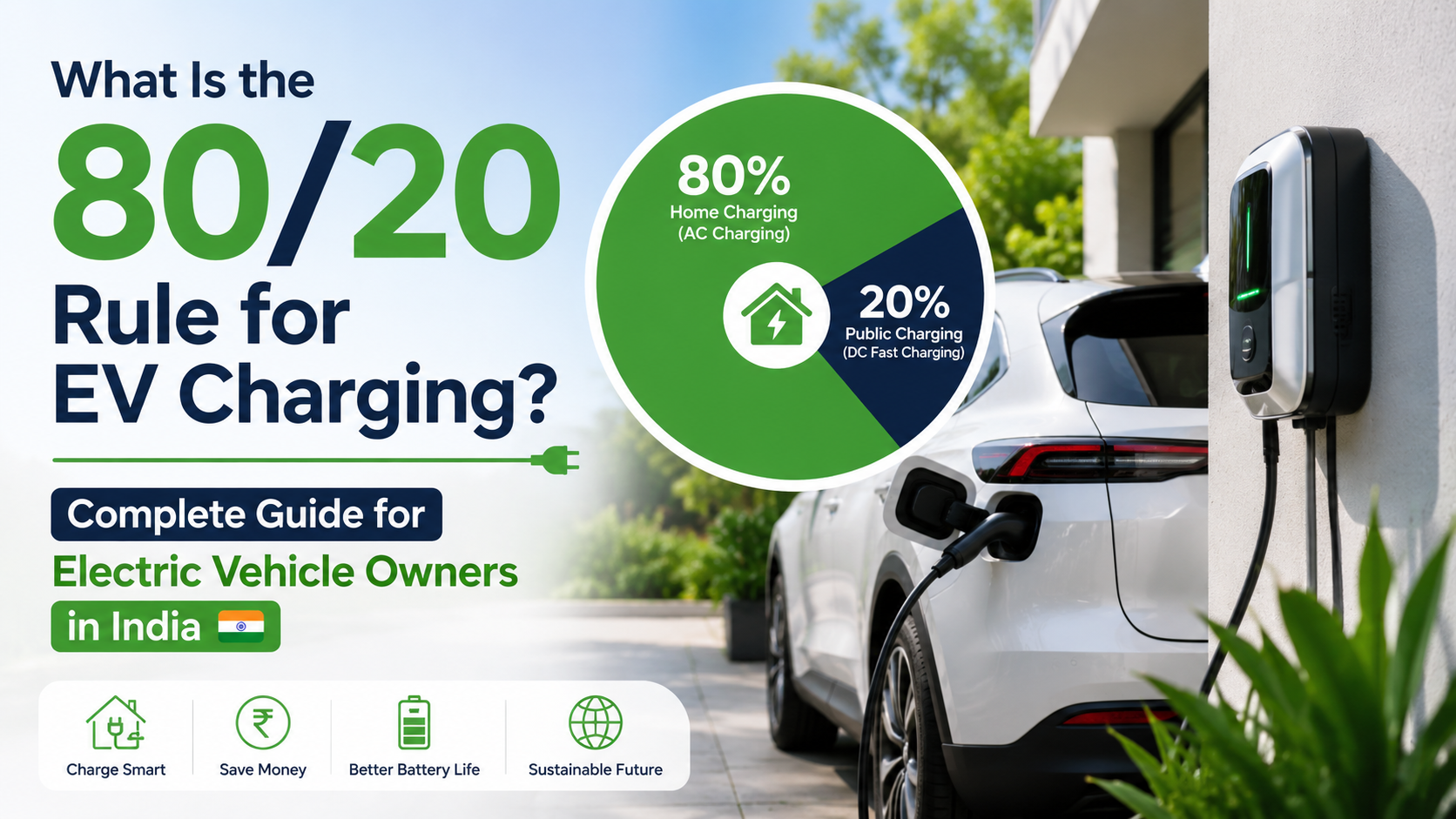
Public Fast Charging Cost
Public DC chargers generally cost more.
Typical rates:
- ₹12–₹20 per unit
Calculation:
60 × ₹15 = ₹900
A full charge may cost around ₹800–₹1,200.
Cost Per Kilometre
Assume:
- Battery: 60 kWh
- Range: 500 km
- Charging Cost: ₹600
Cost per km:
₹600 ÷ 500 = ₹1.2/km
This is dramatically cheaper than petrol and diesel cars.
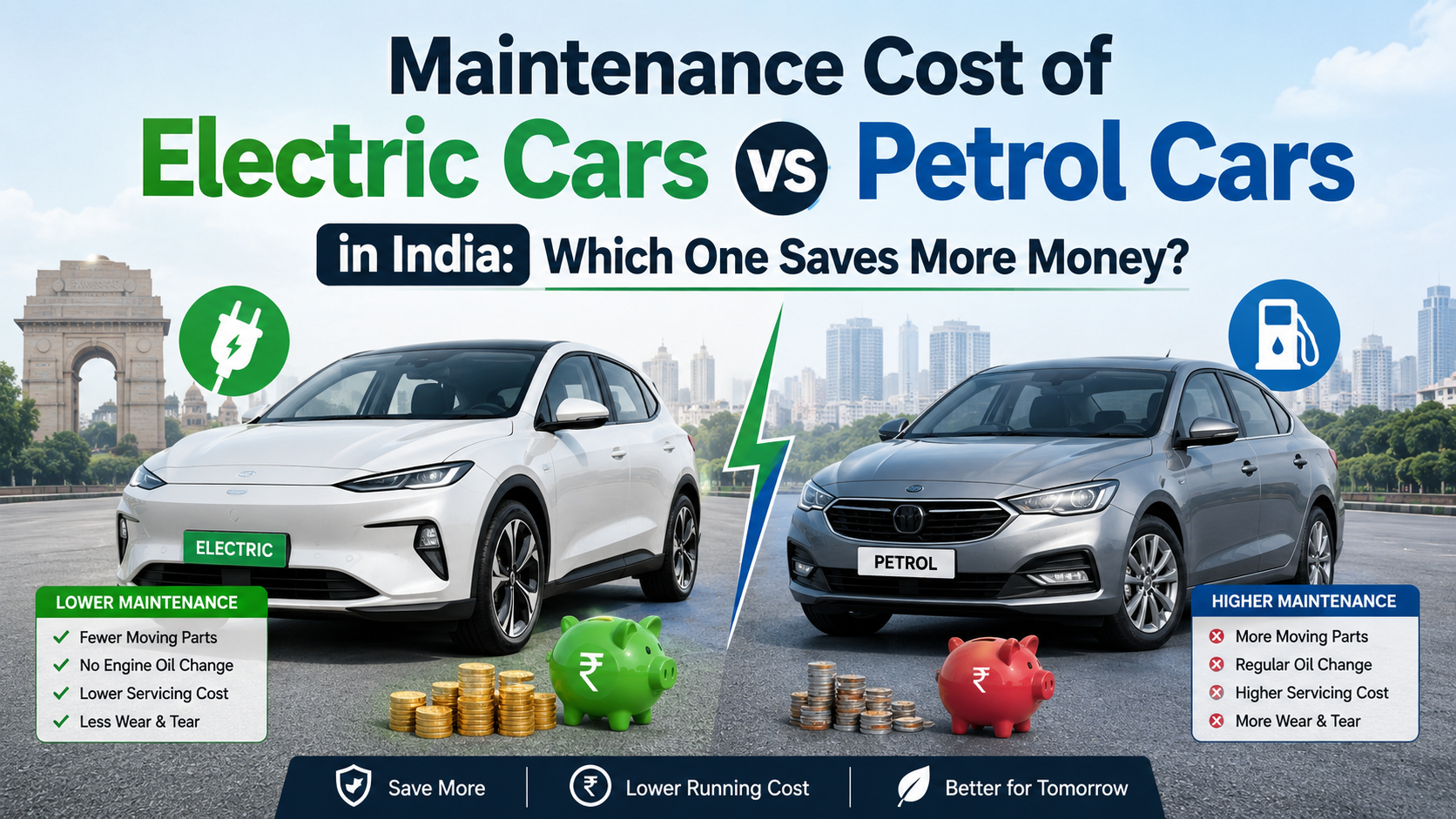
Tesla vs Petrol Car Running Cost
Let’s compare annual running costs.
Assume annual driving of 15,000 km.
| Vehicle Type | Cost Per Km | Annual Cost |
|---|---|---|
| Tesla EV | ₹1.2 | ₹18,000 |
| Petrol Sedan | ₹7–₹9 | ₹1,05,000–₹1,35,000 |
| Diesel Sedan | ₹5–₹7 | ₹75,000–₹1,05,000 |
Over five years, fuel savings alone can be substantial.
Ownership Experience: What Makes Tesla Different?
Tesla ownership is about more than just driving an electric car.
The company has built a technology-focused ecosystem.
Software Updates
Tesla vehicles regularly receive over-the-air updates.
Benefits include:
- New features
- Performance improvements
- Bug fixes
- Better battery management
- Improved user interface
Unlike traditional cars, Tesla vehicles continuously evolve after purchase.
Minimalist Cabin Design
Tesla interiors are known for simplicity.
Features include:
- Large touchscreen display
- Digital controls
- Wireless connectivity
- Premium materials
- Spacious layout
Many physical buttons are replaced by software-based controls.
Smartphone Integration
Owners can use their phones to:
- Lock/unlock vehicle
- Monitor battery status
- Pre-cool cabin
- Track location
- Schedule charging
This creates a highly connected ownership experience.
Real-World Range Expectations in India
Official range figures rarely match real-world conditions.
Factors affecting Tesla range include:
- Traffic congestion
- Air-conditioning usage
- Driving style
- Highway speeds
- Weather conditions
- Road conditions
Expected Real-World Range
| Claimed Range | Real-World Range |
|---|---|
| 500 km | 420–470 km |
| 600 km | 500–550 km |
Even under Indian conditions, Tesla’s range should remain among the best in the segment.
Tesla Charging Infrastructure in India
Charging infrastructure remains a challenge.
However, the situation is improving rapidly.
Available Charging Options
Home Charging
Best option for most owners.
Advantages:
- Lowest cost
- Convenience
- Overnight charging
Public Charging
Growing network available through:
- Shopping malls
- Highways
- Hotels
- Office complexes
Fast Charging
DC fast chargers can significantly reduce charging times.
Expected charging times:
| Charger Type | Approx Time |
|---|---|
| Home AC Charger | 6–10 hours |
| 7 kW Charger | 8–9 hours |
| 11 kW Charger | 5–6 hours |
| DC Fast Charger | 30–60 minutes |
Tesla Safety Features
Safety has always been a strong point for Tesla.
Expected features include:
- Multiple airbags
- Electronic Stability Control
- Advanced Driver Assistance Systems
- Collision avoidance technology
- Blind spot monitoring
- Automatic emergency braking
- Lane departure warning
Tesla vehicles have consistently achieved excellent safety ratings globally.
Tesla vs Competitors in India
Tesla Model 3 vs BYD Seal
| Feature | Tesla Model 3 | BYD Seal |
|---|---|---|
| Brand Value | Higher | Growing |
| Software | Excellent | Good |
| Range | Excellent | Excellent |
| Charging Ecosystem | Expanding | Limited |
| Performance | Strong | Strong |
Tesla Model 3 vs Hyundai Ioniq 5
| Feature | Tesla Model 3 | Ioniq 5 |
|---|---|---|
| Driving Range | Higher | Good |
| Technology | Superior | Good |
| Interior Space | Good | Excellent |
| Software Updates | Better | Limited |
Tesla Model 3 vs Kia EV6
| Feature | Tesla Model 3 | EV6 |
|---|---|---|
| Brand Recognition | Higher | Strong |
| Software | Better | Good |
| Acceleration | Better | Excellent |
| Cabin Quality | Premium | Premium |
Pros and Cons
Pros
Excellent Driving Range
Tesla continues to lead in battery efficiency and range.
Low Running Cost
Charging costs are significantly lower than petrol expenses.
Advanced Technology
Industry-leading software and connected features.
Fast Performance
Instant torque delivers impressive acceleration.
Regular Software Updates
The vehicle improves over time.
Cons
High Purchase Price
Tesla may remain expensive initially.
Charging Infrastructure
Still developing in many regions.
Service Network
Tesla’s service footprint will take time to expand.
Repair Costs
Premium EV components can be costly.
Who Should Buy a Tesla in India?
Tesla could be ideal for:
Urban Professionals
People seeking premium technology and low daily running costs.
EV Enthusiasts
Buyers who want cutting-edge electric vehicle technology.
High-Mileage Drivers
Those driving 15,000 km or more annually can benefit from fuel savings.
Tech-Focused Buyers
Customers who appreciate software-driven experiences.
Premium Sedan Buyers
Those considering luxury German sedans may find Tesla appealing.
Expert Analysis
Tesla’s success in India will largely depend on pricing.
If Tesla can launch the Model 3 near the ₹40 lakh mark, it could become one of the most desirable premium EVs in the country.
The biggest advantage is not just the battery or performance. Tesla’s software ecosystem, user experience, and technological leadership create a package that few competitors currently match.
However, charging infrastructure and service support must expand quickly to ensure a smooth ownership experience.
For buyers willing to embrace electric mobility, Tesla could redefine expectations from a modern car.
Frequently Asked Questions (FAQs)
1. When will Tesla officially launch in India?
Tesla is expected to strengthen its India presence and begin customer deliveries during 2026, subject to regulatory approvals and business plans.
2. What will be the expected price of Tesla Model 3 in India?
The expected price range is between ₹35 lakh and ₹50 lakh depending on import duties and localization.
3. How much does it cost to fully charge a Tesla in India?
A full home charge may cost approximately ₹450–₹600, while public fast charging could cost ₹800–₹1,200.
4. What is Tesla’s expected driving range in India?
Most variants are expected to offer around 450–600 km of range, with real-world figures slightly lower.
5. Is Tesla cheaper to run than a petrol car?
Yes. Running costs can be as low as ₹1–₹2 per km, significantly lower than petrol vehicles.
6. Will Tesla provide home charging solutions?
Tesla is expected to offer home charging equipment and installation support for customers.
7. Which Tesla model is likely to launch first?
The Tesla Model 3 is currently considered the most likely first launch for India.
8. Is Tesla suitable for long-distance travel in India?
Yes, provided charging infrastructure continues to improve along major highways and urban corridors.
Conclusion
Tesla’s long-awaited India entry could become one of the most important automotive launches of 2026. The company brings global expertise in electric mobility, cutting-edge software, impressive range, and low running costs. While pricing and charging infrastructure remain key concerns, Tesla has the potential to reshape the premium EV segment in India.
For buyers seeking advanced technology, reduced fuel expenses, and a future-ready driving experience, Tesla could be one of the most exciting electric vehicles to consider. The final verdict will depend on pricing, localization, and service support, but there is little doubt that Tesla’s arrival will push India’s EV market into a new era.